
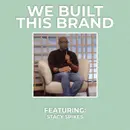
LA Trip Ep. 5: Disrupting Hollywood With Stacy Spikes on MoviePass


 Youtube Music
  Podchaser
  Pandora
  Goodpods
  Podcast Addict
  Deezer
  PlayerFM
  Castro
  Castbox
 Chris Hill and Adhrucia Apana sit down with Stacy Spikes, co-founder and CEO of MoviePass, to talk about disrupting Hollywood, rebuilding an iconic brand, and the launch of MoviePass’ new fantasy sports league for moviegoers. Stacy shares lessons from his incredible founder journey, what it takes to innovate in an industry resistant to change, how to turn setbacks into breakthroughs, and why building a lasting brand means creating a culture around an activity.
Show Highlights:
(00:00) Introduction to Stacey Spikes
(00:38) Early Life and Background
(02:17) Career Beginnings
(03:21) Major Achievements
(04:38) Challenges and Overcoming Them
(09:17) Future Plans and Vision
About Stacy Spikes:
Stacy Spikes is an award-winning entrepreneur and inventor who USA Today named one of the 21 most influential Blacks in technology. He holds several technology patents and is the co-founder and CEO of the nation’s first theatrical subscription service, MoviePass. In addition, Spikes is the founder of Urbanworld, the largest international festival dedicated to nurturing Women and BIPOC filmmakers.
Chris: Well, welcome to We Built this brand. Um, my name is Chris Hill and today I am joined by Arusha. Arusha, thank you for joining us today.
Adhrucia: Thank you.
Chris: Happy to have you on here, um, as my co-host today. It's exciting. I'm happy
Adhrucia: to be here, guys. I'm the host of Conversation with Curiosity and today we're at Power Forward with We Built This brand.
Chris: Absolutely. And it's, uh, so exciting today that we get to speak to Stacey Spikes, the, uh, the co-founder of Movie Pass. And I guess, are you the full owner now of Movie Pass? Did you
Stacy: Yeah, we, we bought it back and, uh, have relaunched it and. Very excited about that.
Chris: Yeah. Well, we'll dive into all that in, in just a little bit.
So would love for you to just share with us, like, for those who don't know, what is MoviePass?
Stacy: So MoviePass is basically Netflix for movie theaters. It's a, the, it was the first theatrical subscription service that allowed you to pay a monthly fee and go to any movie theater you want in the US and go to the movies.
It used to be a movie a day, but now it's more like 11 or 12, depending upon what plan you want. But the original product was you could go to a movie every day.
Adhrucia: That's awesome.
Stacy: Yeah.
Adhrucia: What a relief for all of us. Yes. Who are worried about people putting butts in seats for movies. Yeah. Tell us while you're working on that side, what are we doing at Movie Pass to make sure that those butts get in the seats?
Stacy: Well, you know, one of the new things that we've done, it's a first product line that we're introducing in 12 years, is we're creating the first fantasy sports league for movie going, so, oh my goodness. It adds a competitive layer that fandom can be competitive and we're really, really excited about that.
So all that trash talking amongst your friends about how a movie's gonna do now each can put their money where their mouth is
Adhrucia: gamifying movie that. That's right. I love that. That.
Chris: That's right. So is that, is that just for like a season of movies? Is that for like the Oscars? How does all that work?
Stacy: Yeah, so there's several different games that are there.
There's um, there's Oscar season, there's, you can go deal with everyday box office, so doesn't matter. And then you have things like. What will Mission Impossible eight do compared to the other seven Mission Impossibles? Or where will this movie rank in Tom Cruise's whole history, or how will. Uh, Beyonce's concert film compete against Taylor Swift's film.
So you can, you can do category battles, you can do all of this stuff. So Cool. Yeah, so it's a lot of fun.
Adhrucia: Uh, we were talking about you, you just got off stage and we were talking about how you as Movie Pass came in and really disrupted an industry that doesn't really love to be disrupt. Did that often, and, uh, many of the people watching today will be tech founders.
Uh, tech investors, people who are interested in entertainment. Curious when you are, if you could give our audience a piece of advice as someone who came with a tech angle into a, a industry like entertainment that doesn't like to be disrupted and did the disruption, what are the things that you. Would recommend tech founders pay attention to when trying to disrupt an industry that doesn't usually like the help or isn't open arms to embracing change?
Stacy: Yeah, I think no matter what sector you're in, 'cause I think. All sectors have incumbents who don't want to give up market share to newcomers. Mm-hmm. Um, I think you need to figure out one key KPI that you're focused on and key performance indicator or some metric. And at the end of the day, your job is to make it cheaper, better, and faster.
And so whether you benefit the consumer or you benefit the uh, B2B and the other businesses. That's your job. Your job is to shave off friction. That helps somehow make things better. That's all any businesses ever do, and so as long as you focus on that, stay focused on that number, you'll make it.
Adhrucia: That's great advice.
Yeah. Excellent advice. Yeah. Yeah.
Chris: Yeah. So let's, let's take it back. So let's talk a little bit about the inception of movie foam. What was your ha? The inception?
Adhrucia: No, you said movie, phone. I said did I really? The
Stacy: war? You did. You should just keep it in. How did
Chris: I say that? You should
Stacy: just keep it in. We're we're
Chris: gonna, you know, you just keep We do it.
Have the opening failure. Yes. So we'll, we'll just put it all together. We're just gonna
Stacy: keep it in. We'll leave, leave that in. Gene. I'm, you can shame. I'm no longer the CEO of MoviePass. I'm the CEO of MoviePass. Now you now you're good. You're never gonna make more mistakes. That's right. I, that's exactly right.
This, I've covered both bases for you.
Chris: I really, in my head, I thought I said movie pass, so I don't know where that came from. It's um, it's the jet lag. I'll blame it on that. Um, coming from the East coast, but, um, like. I mean, I've mentioned this before, but like, you know, I remember a time when, um, Regal Cinemas had like a pass that you could get, and for a while I think they were actually trying to either, I can't remember if it was like fill the gap, the movie passed left or if they were trying to compete with, or it was a little bit of both.
But, um, I remember
Adhrucia: this
Chris: like. Yeah. Like what was, what was that a early journey like for you?
Stacy: In the beginning, we went to all of the studios and theaters and proposed this idea, and everyone was like, no one will do subscription and who cares about a pass? And they just thought it was a dumb idea. Um, we went around five years and got told no for five years.
Then a OL, uh. Uh, it's like America Online back in the day. Thank dial up for explaining to our audience. Dial up. Um, did acquire movie phones. Yes. Who, who did acquire movie phones? Saved you there? Um, and so they made the first investment because they understood subscription businesses and they're like, we get subscription and we see that.
There is room for a Netflix for movie theaters here. And that's what we were. And, um, once that started, then we didn't try and convince the theaters anymore. We just tried to convince the fans and they loved it. They, they loved the service. They loved that they could go to any theater they want. We made it really simple and easy and, um.
It kind of took off from there.
Chris: That's, that's really cool. So it grew and it got exciting, but then there, there came some challenges, right? Yeah. What were those challenges?
Stacy: Um, you know, the very first one was we had signed up through a supplier called, uh, movie tickets.com, who's since merged with Fandango.
And so when. We ran into a contract dispute with them. They were able to turn off the whole business, and that was painful, but it caused, it caused us to create our own technology that then prevent them from turning us off. So I, I always say that everything doesn't happen to you, it happens for you. Well, when they did that, they actually created the opportunity for us to build our own tech that.
Was unstoppable. And so we had a card that now the person will walk up to the kiosk and whether that theater was integrated with us or not, you walk up to the kiosk, you swipe and you go, and that was the big change that happened that that problem, we fix that, and that caused us to have a impenetrable moat That is always key in successful businesses.
Adhrucia: You've had quite a wild ride as a founder and I know that you have your new book out now, black Founder. That details for many of us founders out there, what that ride is and how to really ride the waves and the ups and downs, which, um, most of us will face is an inevitability. What is, uh, one of the key takeaways from your founder journey that you would like to impart wisdom to, to those who are getting ready to strap onto this ride and take, take?
Um, they, they would, uh, take the, take the rollercoaster ride of founder dim.
Stacy: I, I think there's, the biggest thing I would say is, um, don't take it personal. Um. You are your product, but then you're not your product. Um, yes, you should take it. It should mean everything to you. But remember, it's this malleable thing that needs to fit in the marketplace and audiences need to be able to engage with it.
So you have all of those things that have to happen, and sometimes we can get so caught in our heads about how we think it should look. You gotta leave room for. Building the new, new thing and you are the visionary, but when you build new it, it, it, you can be early, you can be late, you can, your timing can be off, your costs can be off.
You know you're gonna build something very expensive like the new Apple headset. Uh, the Vision Pro Headset, very expensive. Great idea, but that cost is gonna have to come down. Even Apple deals with that. So you gotta remember, leave enough room for the flexibility to go through. Oh, the best advice is to remember, no matter what you think, it's gonna cost you twice as much and take twice as long.
No matter how your best plans, it's gonna cost you twice as much and take twice as long as you think.
Adhrucia: And Stacey talks a lot about normalizing the peaks and the pitfalls of being a founder. Absolutely. Essential advice. Everyone has to go out and read this book.
Chris: Absolutely. It's definitely worth checking out.
Yeah, that's, that's really neat. So what, what do you see as the future of MoviePass?
Stacy: Um, we've got the new, uh, daily fantasy sports line coming, which is huge. Um, that's called Mogul. Uh, you can go to mogul.moviepass.com and you can check out, uh, that, and you can sign up to be on the wait list. We already have more than 400,000 people on the wait list.
Um, we are excited because we think it. Gamifies movie going and it adds a layer of, of competition to something that's there, but no one's given it utility. Mm-hmm. And, um, so we're thrilled about that. And we think that it's gonna help drive traffic and it's gonna help, uh, you know, get even more engagement and more, uh, participation in ways that.
Film fans don't, but sports fans do. And so we wanna bring that sports ness to the theaters. You know, I went to see Superman this past weekend and everybody was like in the theater with their Superman shirts and I thought, this is no different than if I went to a, a sports game.
Adhrucia: Yeah.
Stacy: And, um, but yet.
There's things that sports fans have that we wanna make sure film fans have as well.
Adhrucia: We're on, we built this brand. So I have, I have a question about building that brand, and we talked a little off camera about this, but I think that that relationship with your consumer becomes so important and when Movie Pass was going through harder times, you mentioned when you spoke that you had movie pass fans that were basically calling Yeah.
Calling to the Bring it back. To bring it back. Yeah. Can you explain how you created such a strong connection with your consumer?
Stacy: Um, you know, you just, so we were film fans and when we were talking before, I said I always use surf analogies, like if I added Afin to my board and it's helping me perform better, and then I share that, um, it's like we are already film fans and we're sharing efficiencies that.
We do. Well, we're already in our office every Monday, Friday, we're saying what the weekend gross is gonna be. We're all predicting what it's gonna be. And then Monday we're seeing who was closest. We were doing that anyway as part of our culture. And so all we are doing is extending what we do in the office already.
And we are always trash talking. Like, and, and among our employees, there's one who will be, uh, like some people were like. You know, uh, uh, Minecraft is not gonna make money.
Adhrucia: And yet
Stacy: it became a meme and people were like, I am Steve. Yeah. And they were losing their mind and throwing popcorn all over the theaters.
And in our office it was very different. It was, that's not gonna make money. And then it was. Are you kidding? And it was projected to do 60 million by the professionals, and it did almost 120. It doubled what they thought. And so nobody knows. Yeah. But the fans are gonna be, it becomes a contact sport and it becomes a participation sport.
Unlike anything that's ever been done before. So I think you just focus on geeking out about
Adhrucia: authenticity, being a fan. Yeah.
Stacy: And bringing that culture to what you want for yourself. Just bringing it to others.
Adhrucia: That's great advice. Yeah. Personal branding and branding overall.
Chris: Absolutely. It is. Yeah. You wanna make that connection with a hundred percent the brand, so that's awesome.
Um, well, as we wrap up. Um, I always ask this question at the end of the interview, which is, what brand do you admire the most? You know, we talk a lot about the other brands. I always love seeing the influence of people that are creating brands, building brands, like what is influencing them? So for you, what would that brand be?
Stacy: You know, I grew up around. Skater brands and surf brands, and they are still around today. They are. And there is a culture to them that I think no one has done. When you look at Vans, when you look at Burton, when you look at Billabong, when you look at, and they are so hardcore, when you buy one of those brands, it's a culture.
So one of the things that. I've always, I grew up with and admired, was skate brands and surf brands. And even to this day, 20, 30 years later, they're still strong and powerful and there's a. There's a culture around them because it's related to an activity. And so I always say, make sure your product is related to an activity.
And so our activity is not movie watching, it's movie going. And so we want to own movie going as an activity. And so you sitting on your couch and watching a movie is one thing, but you being in a theater and you getting your friends and you going. We wanna own that space. And so when you can own that, you own mind share.
Mm-hmm. And so always put your brand. Make sure your brand is part of an activity. Airbnb's activity is going on vacation and renting someone else's home. Um, you know, using my iPhone. It's an activity. You need, something that the body engages in and that, that to me is how you build a great brand.
Adhrucia: Surf and skate brands.
I love it.
Chris: Yeah. Yeah. They're de they definitely have a long lasting history. I mean, just look at like Tony Hawk right now, just the resurgence of all the games that they're reissuing and everything. And still relevant in culture too.
Adhrucia: Exactly. I could ask you 13,000 more questions, but I'll save that for another day.
Thank you so much for being with us. Thank you.
Stacy: Absolutely, Stacy. Thank you. This was a pleasure. I really enjoyed being here.
Chris: All right.


