
Beyond the Scroll: How Social Media Is Reshaping B2B Brands


 Youtube Music
  Podchaser
  Pandora
  Goodpods
  Podcast Addict
  Deezer
  PlayerFM
  Castro
  Castbox
 Social media isn’t just where brands show up anymore, it’s where customers learn, research, and decide who they trust.
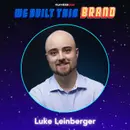
In this episode of We Built This Brand, Chris sits down with Luke Leinberger, Global Head of Social Media at Gravity Global, to talk about building a global social strategy, bringing B2C-style storytelling into B2B marketing, and creating content that actually earns attention. They also explore how AI, changing search behavior, and evolving customer expectations are reshaping the role social media plays in building brands.
Show Highlights:
(00:00) Social Learning Shift
(00:06) Meet Luke Lineberger
(01:15) From Copywriter to Gravity
(02:52) Boutique to Global Agency
(05:23) Building a Global Social Team
(08:07) What Makes Great Social Content
(12:22) B2B vs B2C Storytelling
(15:55) Social Media in the Sales Funnel
(19:52) Branding and the FAB Model
(26:09) AI, Regulations, and Favorite Brands
Links:
Start a podcast with HumblePod! https://www.humblepod.com/our-services/
Sign up for our newsletter! https://www.humblepod.com/newsletter-sign-up/
Luke: In general, we are moving more and more to learning on social media.
Chris: Welcome to We Built This Brand, where we pull back the curtain on the people, the ideas, and the sometimes challenging process of building something that matters. Today, I'm joined by Luke Lineberger, the first ever global head of social media at Gravity Global, the world's most awarded independent B2B marketing agency.
Luke started out as a copywriter with an MFA in creative writing, and now he leads social strategy across Gravity's teams in the US and the UK for brands like Cummins, Transamerica, and Sovos. In this episode, we get into what it takes to build a brand new global function from scratch, why B2B social is so much more than lead gen, and how a storyteller's instinct shapes the way he thinks about a brand.
So without further ado, here's my conversation with Luke Lineberger from Gravity Global.
Luke, welcome to We Built This Brand. It's great to have you with us today.
Luke: Thank you so much for having me. Really excited to be here.
Chris: Absolutely. Well, how I like to generally start these interviews is to just get to know a little bit about your background and how you got to where you are today at Gravity Global.
So where'd you get your start?
Luke: Yeah, well, you know, coming out of college studying, uh, sociology and creative writing, marketing felt like the perfect place to kind of put those two pieces together. And so I got my start at Boco Creative, uh, which was a boutique agency in Denver, um, and really got to just have my hands dirty and be a part of so many different parts of the agency experience, uh, and, and really, you know, see how the, the agency side of things worked.
Uh, and then that's, you know, progressed into being, us getting acquired by Gravity Global. And so, uh, for the last, you know, three years now, been, uh, working over here with Gravity Global and really excited to kind of just further develop and build out the social media offering, uh, really make sure that our, our team is globalized and that we're building and, and bringing the best, uh, just opportunities, new ways of working, and everything like that within the social media space to our clients.
So it's been a really fun transition from kind of the boutique side to working into a global setting and bigger teams and bigger clients and all that type of stuff, so. But a natural transition, I think, from, you know, kind of what I was originally passionate about and studying, you know, how people work and behave and, uh, but also having that creative touch.
And so it's been a really fun and natural progression, I think, to get into, uh, you know, where I'm at today with Gravity Global and, um, being able to kind of put some of my favorite side, you know, passions and interests into my work.
Chris: I mean, that's quite the adventure, too, to, to go from small agency to, to big agency as well.
What, what was that transition like for you? 'Cause when you start small, I mean, there's a big difference between working for a smaller agency to something as, as big as what Gravity is.
Luke: Yeah, transition is definitely... It- it's so fun to go through that type of change, right? Uh, just to see how different things work, right?
And the different ways that you can support a client, right, and, and be a part of that process. So the, the change is, is definitely big though, and I think part of that process was really understanding what makes a boutique agency special in terms of, uh, how you're able to service a client and, you know, be a little bit closer, uh, through the entire process, and how that model then kind of carries over into a larger setting, right?
And it's really being able to trust, you know, the team members that you have in different departments, right? But also building close connections and making sure that that model of staying informed on everything that's happening across the The work stream, uh, for the client, right? And, and everything that we're doing from paid media to production to the social media side of things, right?
Making sure that that's overall, you know, c- communication loop and, uh, understanding of, of the work is, is really tight. So it's definitely a big jump where you're kind of in the weeds with everything versus just being informed. But it was great for us to, uh, at least for me, I think, to really understand what made the boutique side successful and, and what that power that, and, and capabilities that came from the knowledge of, of everything that has made the transition into a larger setting, y- you know, more doable and more natural of, uh, just kind of being able to figure out how you replicate that model in a different way.
But the other thing too is that it's just been fantastic to be with a, a bigger team and have so many, you know, talented folks that you get to learn from and tap into, and those types of things. So it has been really nice to just have more to, to be able to call on.
Chris: It's interesting. I've been a part of a few mergers and acquisitions myself, and that change is always a little uncertain, but always seems like it's really cool when you can get something, you know, good out of the process too.
So I'm glad to hear it was a positive transition for your team. And as part of that too, like, I mean, let's talk a little bit about more about your role now. You're currently the head of global, um, social media, or is it global head of social media, I think is the official title? Global head of social media, yep.
So global head of social media, that's a big role to fill. Um, and how did you get into social media, like from a professional angle versus just, hey, it's something I use in my everyday life, and why has it become something that has been such a big part of your career for you?
Luke: Yeah, uh, definitely a major shift in terms of, you know, again, kind of what the, the role itself looks like.
In terms of, you know, kind of start, how I got into it, I think one of the big things was in a lot of ways a need, right? It's just the simple need and understanding where social media was moving into our marketing space, right? And so then the growth of social media within that and the importance really became something where as, as an agency, we just recognized we needed to be able to fulfill this more and more.
And so it, it originated out of the need, but then I think it really grew from the, the interest and the, uh, the passion for, you know, we have this vibrant community. We get to tap into what the, uh, the behaviors and the, the communities that they're building and, and how they're interacting with each other.
And so I think it really grew from that kind of passion. But moving into then this role has been something that- you know, obviously has a lot of other pieces of, you know, how do we make sure that audiences in these different parts of the world, uh, that we have a system that is able to be repeated and, and optimized for clients in so many different places.
So it, it's been a big, um, you know, effort for us to make sure that our, our team throughout the globe is, is really, um, unified, that we have those best practices, but that each team member in kind of their respected area is also empowered to understand the nuances, uh, that come in their, their region, um, or, or with different, you know, platforms.
You know, our, our UK team members, uh, WhatsApp is a, a major platform over there for them and, you know, for my US-based team members that's just-- and, and clients, that's not something that we really worry about. That's not, uh, that's a travel app for us more so than a, a day-to-day app, you know? And so, uh, those are the nuances that we, we need to make sure that each kinda team member and location is, is really prepared to, uh, excel in and, and provide to our clients.
So Um, you know, we have the unification process as many ways as we can, but also that, that nuanced and kind of niche approach where it needs to be.
Chris: And you mentioned the unification process, so obviously keeping the team unified is important. What about the social media content you're producing? Is that also focused on staying unifi- unified as well?
Or how do you, how do you handle that from client to client?
Luke: Yeah, I think there's so many key ways that things kind of can and maybe should fall into what best practices truly are. And of course, there are the nuances from industry to industry, um, platform to platform, and those types of things. But there's kind of some truths that, you know, making sure the entire department and then, you know, we bring to our clients is, is consistent, and that's having a platform-specific strategy, right?
That's, uh, making sure that, you know, when we're telling complex, uh, stories or, uh, conveying that information on behalf of our clients, right? Something that's really technical and, and needs to be solid from an educational standpoint, that it's socialized, that it's something that can be told through a, a simple and compelling, uh, narrative arc.
Um, I think there's the truths in, in general of what makes good social media content, right? Uh, and that's, you know, everything pretty much needs to be either educational, entertaining, or provocative in some way, right? That's how we stop the scroll, that's how we stand out in the mass amounts of content.
Uh, and so those are the types of things that we really can make sure we bring universally, right? And, and that are truly kind of integrated across, uh, team members and, and clients regardless of where they are or what, you know, regardless of what industry they're in, that really, you know, do make a difference and, uh, help them stand out in the loud noise that, that is social media.
Chris: So with this global team, what's the hardest part about creating consistency across markets?
Luke: You know, I think the toughest piece, um, is making sure that the skills and, uh, the, the ability to tap into those skills is being unified as much as possible, but then also, like I said, having that opportunity to go and spend that time and make sure that you're educated and really strong in the areas that need to be, um, localized, right?
And so I think it's, it's really trying to empower those team members from that localization level and from, uh, the specifics within their industry. I think one of the big things that comes up across our clients is social media's the, like, the speaker, right? That's where so many people see you first. You have so many CEOs, you have so many, uh, execs or board members that see that content, and so we need to make sure that we really allow our team members to become experts in those fields, right?
That's the content, that's the, the comment section that so many eyes are on. I think that's the biggest challenge really, right? Is, is making sure, you know, they have the skills that they need and, and all those things within the respected platforms and localization piece. But then it's bringing that expertise for them to truly run and, uh, be able to, to feel like the human, uh, side of the brand on social, right?
And, and bring that to life, um, through that just deep expertise of the industry. And that, you know, that takes time, it takes a dedication to it, it takes a, a passion to want to be able to really tell that story on behalf of your clients. And, and so that's where we, you know, we work really hard to do that, and something we really pride ourselves on.
But that's definitely one of the bigger challenges of just you really have to be the, the expert and the voice, uh, within these different industries and ultimately for, you know, each client. So Uh, but it's fun too. I think that's one of the things that makes it really fun and interesting in, uh, becoming an expert in, you know, these little niche areas that you just, you never would've expected yourself, uh, to be.
So it's awesome.
Chris: Yeah. Yeah. You probably know some pretty, pretty interesting facts about different brands you never would've even thought to care to look up before, beforehand- Yeah ... I'm sure. Yep. Yeah. And, and I noticed you had done, um, two different projects in the aviation industry. I'm a big flight nerd, aviation nerd, so I thought it was cool to see y'all had worked with Embraer and with Airbus and, um, yeah, I mean, two very different companies in terms of the markets they serve, but they also still both serve the airline industry.
Um, so what, what is that challenge like? Like w- when you're working with a B2B brand, maybe not specifically those two, but like, how, how does it look working and operating differently with a B2B brand than, say, a B2C, or a business to consumer, or a consumer product good company?
Luke: You know, one of the biggest challenges, or, or things that then becomes a difference between the B2B side and the B2C side is how the b- the purchasing journey looks, right?
Uh, and ultimately the role that we can play, right? When we're in a, a B2C standpoint, um, it might not always be the shortest purchasing journey, but, you know, we know that we can typically expect those to be on, a little bit on the shorter side, and, uh, that that can be, you know, something that is very kind of quick fun, engaging, you know, those types of things.
There's kind of this natural way that people understand B2C, uh, social media to be able to play within. And I think the biggest shift that we're seeing in, in working with clients on is how B2B can somewhat learn from and replicate those pieces from the B2C side, right? Um, and that's making content that is still powerful in the education that it's, uh, providing or, you know, understanding that this is a long purchasing journey, right?
And we have to have really strong and numerous touch points with them to ultimately be able to, you know, build the awareness and the trust and then, you know, get them to that consideration point. But one of the things that, you know, is, is really kind of that, that challenge there that, that can be taken from the B2C is, uh, telling a story, right?
And, and not having it be so dense in the actual, you know, here's the product specs that we bring, or here's the amazing solution that we're gonna provide for your business. We're gonna, you know, save you here and here. But building that actual story and that narrative piece that, uh, can make the biggest difference, I think is just naturally a little bit easier or more common in the B2C space, um, that really empowers our B2B clients when, when they buy into that.
Um, and so we work really hard to, you know, bring in that, um, of course, you know, that hook, but be able to, to tell them through that kind of, you know, here's the pain point that you're experiencing and here's the solution, um, that we provide. But have that be told through a much more social first and story led perspective.
Uh, and so I think that's where, you know, we're really seeing the bigger obstacles become smaller with B2B, um, as for such a long time, that was a, I, I have this article, I have this dense information, like you, you just gotta let us post it. This is where we, you know, we've gotta make sure that we, we tell them about this new offering.
And so I think we're starting to see that little bit of a transition from what was Typically a bit more dense, um, and a bit more of businesses speaking at businesses, right? Versus with them. And I think that conversation point's really what's kind of changing now.
Chris: You mentioned something interesting in that about how you're talking about, um, the, the touch points to, to convert a customer and to get a sale, and you know, obviously not everybody's gonna go out and buy, you know, a f- a fleet of trucks that need Cummins engines or, you know, a bunch of Airbuses.
Like, that's not your everyday consumer. And so I, I feel like, in my observation, marketing, like, I think marketing always plays a little bit of a sales function. You're trying to point people to the product. You're trying to make them aware of it. You're trying to drive people to, um, to make those purchases.
But I think more so in B2B, it truly is a strategic part of the sales process. Do you see it that way, or how do you see it?
Luke: I, I think 100%. And, you know, i- in general, I think there's been a, a shift, right? And part of this is numerous and, and reasons why from, you know, search engine preferences to LLMs and AI and those types of things, but you know, in, in general, we are moving more and more to learning on social media, right?
Uh, and a lot of discovery is happening there, and I think that because of that, more than ever before, marketing is really, really key to the, the B2B and the long sales journey Um, especially, and so I see that as a place where, you know, before I could understand arguments a little bit more of, you know, there's, it's a relationship thing.
There are, you know, again, this is a long purchasing journey that we need two to three years to get a fleet, you know, order from start to finish and, and everything. So, but in today's world, there's so much more of that that is truly occurring on social media and in the s- the general marketing, uh, funnel of, of truly gaining your education there, um, building that trust and building relationships that way.
I think another thing that really, you know, kind of accelerated that was the pandemic, right? Where we had to move into a more virtual space. We had to move into a more digital space. Uh, and that put that much more emphasis on marketing power to be able to really deliver and, and help close that gap. So I think, you know, ultimately you're 100% to be able to get to where things needed to be, um, marketing had to really step up and play a key role in full funnel.
Um, but, but truly too, having the power to actually lead to that conversion much more than just a, an awareness play or, you know, you know, kind of at best a consideration. I think it's really had to pick up in the last, you know, five, six years to carry that extra weight and, and lead to the actual conversion.
Chris: That makes total sense, and I mean, it's also, as I was-- as you were talking, I was thinking about how it's also a bit of a perception play too, right? Like, you want people to think that, "Oh, if my airline is buying Airbus," you want people to have a positive association with that product. You don't wanna... Like, you know, if, if I heard, um, just a few years ago, no, no shade to Boeing, but maybe some, but, um, you know, when they, when they had the, um, the whole issue with their, what was it, their 737-900-
Luke: Couple incidents
Chris: yeah, they had a couple incidents that got scary. Like, who wants to fly on that anymore? You know, that ends in canceled sales or things like that, and if you have a good marketing and PR team, and more importantly, good engineers that fix the problem-
Luke: Yeah ...
Chris: you can work through that negative perception and make it positive again.
You know, and I think, you know, something I've always liked about Airbus, you know, I'm using it as an example 'cause it's on, it's one of the key case studies on your website, but, um, you know, Airbus, you know, has had a lot more reliability, a lot more quality, you know, tied to its name, and I think that's where people really recognize it.
So, um, yeah, so it has a longer term value too to the, the consumer as well to be able to market like that. But that's, it's a fascinating place to be in that, in that part of the industry. So as, as we look into the, the branding of the business and everything, how do you see branding playing into your, your day-to-day role in social media?
Where do you think that your, your operation stands in terms of how you represent the brands you support?
Luke: Want to launch a podcast without the hassle? HumblePod makes
Chris: podcasting easy. From concept to launch, we'll help you create a professional, engaging show. Already have a podcast? We handle editing, show notes, transcriptions, and even video production, so you can focus on your content.
With our tailored services, you get high-quality production, seamless publishing, and expert support at every step. Whether you're starting fresh or leveling up, HumblePod ensures your podcast sounds amazing and reaches the right audience. Visit humblepod.com to get started today
Luke: I, I think it's huge. And, you know, again, kind of from that earlier point of we are in many ways the front lines, right? And that's, uh, something that's changed, uh, obviously right over the years in, in marketing, but social media really has become the, the front lines and the first touching point, uh, in a lot of ways, right?
What even has kind of shifted from the website, you know, as our first learning place or, uh, the billboard that we see. You know, social media's kind of grown into that. And so for us it's, it's really important that we A, understand the brand, that we work really closely with any branding work that is going on, uh, for us to ensure that's, that is coming to life, and that is being properly executed across the, the s- social media sphere.
But there's also kind of a, a bit of some nuance there too, where we want to make sure we represent the brands, you know, uh, in the right way, um, and that that branding piece is really coming to life. But, um, to also give it some freedom in some areas of, of, you know, where it can be its own, and where it can kind of move.
Um, you know, when we look at platform-to-platform differences, and the audience members, and the expectations of, you know, brands on those, uh, platforms, I think that's really kind of where our branding challenge and, uh, opportunity really comes to life in, in terms of, you know, how does, for Airbus, for example, right, how do they show up on LinkedIn versus Instagram?
And, you know, th- that can be dramatically different in terms of what their, their goals are, uh, on those two platforms, right? And so it's understanding the, the branding and making sure that that branding's coming to life, but also understanding kind of what are our lines, right? And where should we be moving and adapting to best, you know, reach and, and resonate with those different audience members and those different desires.
So it's, it's really fun and, and ... But I think really crucial for us to be able to have the ability to kind of dial up those meters a little bit here and, you know, turn 'em back a little bit there. But that y- ultimately comes down to us being, y- deeply part of the process, and having a great understanding of what that full branding, uh, picture looks like, so that we, we can do that and can execute it properly.
Um, but th- I think those are also where you see brands succeed the most, right? Is when they can make those adjustments in the places that they need to.
Chris: Absolutely. No, I mean, that makes a lot of sense in this day and age. You gotta be adaptable to whatever comes your way, and, yeah, being able to listen to the customer's kind of important.
So yeah, makes a lot of sense. So I, I ... When I was looking at your website, one, one thing I noticed that Gravity talked about is the FAB model. Can you tell me a little bit more about that and what that means?
Luke: Yeah, so FAB is, uh, one of our, uh, i- it's really kind of our, our baby. It's our proprietary approach, right?
And it really just stems from the belief that for a brand to really excel, and to truly be successful, and take off, and grow to whatever that next stage is, and compete, right? Is for us to be able to tell them, right? And, and bring in that, those metrics and that reporting and, and then help build up, uh, and make sure that they're, they're growing in the areas of fame, admiration, and belief.
Uh, and so, you know, it's, it's what are you known for, right? Right? And it's, it's what do you want people to know you for, right? What do you want them to believe in you? Um, and what does that trust look like, right? You know, why, why do they want to come back to your product? Why do they wanna come back to your service?
Uh, and, and so for us, it's really just kind of this, uh, way of approaching our work and, uh, communicating with our clients that's-- these are kind of our three pillars, right? That we, we wanna be able to bring everything back to, and we wanna be able to hold as our kind of, uh, you know, source of truth. Uh, and, and when we are excelling and moving forward within, you know, these three pillars, the results will come, right?
Whether that's sales or leads or, you know, moving product off shelf. You know, these, these three pillars lead to results. Um, and so it's really the, the analytics team, um, you know, they work really deeply with all of our, the other departments, right? To make sure that this is, uh, information that is shared, right?
We really get those insights. Um, and we build, you know, basically kind of our, our models and our approaches for our clients around, you know, what our initial findings are, right? And, um, continuing to listen and have that ear to the ground, uh, kind of around those three pillars. So it, it's something that, for me, coming into Gravity Global, it stood out immediately.
Um, has been an-- a great and, uh, just kind of eye-opening experience for me to listen into, you know, some of those initial conversations and learn more about it and ultimately see the effect and, and how it's empowered and grown, you know, so many of our customers. Definitely something that is, uh, special, you know, to Gravity Global and, um, something that we love to be able to bring to our clients and continue to inform, you know, our work and ultimately their, their journey onwards.
Chris: So as we look towards the industry we're in right now, we're in a very interesting time for, um, especially someone in the social media field, I feel like, with regards to AI and automations and things like that. How is that shaping what you all do today?
Luke: Well, we're definitely staying on our toes, um, I think is, you know, the, the short answer.
There's so many things that AI is going to do well for social media marketing, and there's a lot of areas where it's going to be difficult or gonna provide some new obstacles for us to consider. Um, you know, I think one of the things that I'm excited about from an AI standpoint is the search and discoverability, right?
I think it just puts that much more emphasis on the work that we do within, uh, the social media space, right? And for that work to be done correctly, and, you know, the weight that it's gonna carry when it comes to helping to influence and, and bring brands to, to the top, uh, when that LLM search is, is occurring.
Um, so that's the type of thing that's really exciting for us to be able to lean into and make sure that we're, you know, educating our clients and really bringing to the forefront of our approach and strategy with, with content creation. Um, but there's also then the side of AI-generated content, you know, kind of living and, and growing on the, the platforms themselves.
Uh, you know, I do anticipate that we'll have more and more of the AI labeling, uh, that will kind of continue to, to grow on the platforms. Um, but that's something right now that is definitely kind of in flux and is an area that You know, we, we have conversations with clients about on a pretty regular basis of, you know, okay, well, if AI touches this at all, if it, if it, you know, improves the disquality- quality of the image, does that mean we're gonna be, you know, have that post labeled then?
Uh, so there's a lot of, you know, kind of fear and unknowns, um, that come from the clients that we, you know, are, are looking to stay educated and make sure that we understand that as much as possible. So yeah, it's, it's an interesting space right now.
Chris: Yeah, for sure. I mean, there, there are times where AI can be a great tool in, in cases where it couldn't do certain things before, like you mentioned image quality, and I'm just...
That, that sparked a memory where I saw the other day someone complaining about this women's suffrage photo that was being used to promote a local women's, women's museum here in Knoxville, and it had been... It was like, people were like, "Oh, this is AI." And then someone actually found the original photo, and it was, like, really, like, janky, like, low quality, low resolution.
It's clear that somebody probably just put it in to try and upconvert it, but with that, it tried to interpret the words, and it made it look like it was AI generated. And everybody was upset and complaining about, "Oh, you're wasting AI," you know, "You're using AI on this and killing the environment and everything."
So it's a very sensitive topic. It's, uh, very challenging to know when to use it and how to use it effectively, so yeah, it's... I don't... Yeah, I don't envy anyone who's in that position trying to make, "Okay, this will solve our problem, but it may also get us ripped apart online. What do we do?"
Luke: Yeah. And you know, there's other things from the social media side of, uh, especially in the, the B2C where AI trends are successful, right?
And it makes sense to, you know, have your client jump in on that, that trend, but then there's still all of those obstacles, you know, that you just mentioned, and trying to navigate that from, you know, the agency side, um, but then to the client side and kind of, you know, what do they want their, their lines to be, and, uh, how do they want to present themselves, you know, when it comes to that social media image and reputation?
And, um, so it's definitely a tricky space that's case by case 100% right now.
Chris: What else is top of mind as you think about the future in your industry as a whole?
Luke: You know, I think one of the big things is the behavioral shifts in general, how social media usage has kind of shifted into more of the, uh, interest space, right?
We follow brands, we follow, uh, musicians, we follow teams, we follow, uh, whatever it is, and it's a l- oftentimes based on interests. Um, and it's not necessarily interests in what we do, uh, in our lives, right? I know people that follow coffee brands and don't drink coffee. I know people that, you know, follow- aerospace brands and are not purchasing a fleet anytime soon, right?
Not, not
Chris: for a while, I'll
Luke: say that. Yeah, yeah. Uh, but it, you know, it speaks to some interest on, on some level, or it's, um... And it goes back to kind of those three, three ideas of kind of what makes successful content, right? You know, is it entertaining? Is it educational? Or, you know, does it provoke a thought, a reaction, a, um, an opinion?
And so I think those are kind of a really interesting space, but as much of anything too, it's the, it's the search that is really intriguing to me right now, and I, I see being the future, but also opening a lot of things up. I mean, so many people use social media to inform their purchasing decisions. Um, and that's where, you know, I, I heard a story the other day of somebody who, who purchased a car, and she started on social media.
Um, she went then to the website and did some kind of further analysis, and then she came back to social media to get the, as, like, her review place, right? And to hear, uh, about people who have recently purchased it and stuff like that. And so I think that search and, and validation and trust, um, is a behavioral shift that I think ultimately is gonna stay.
Um, but it will evolve, and it, it will change the space, I think, more and more here.
Chris: I, I can't remember what it was, but I was looking at something just yesterday, and I was like, "I wonder if there's any reviews on this." And, like, that's immediately my reaction now, is to go and look and see what reviews, what commentary there is, what opinions they are, and then you have to go so far as the username now just to make sure they're legitimate people.
Like, it's, it's, it's a wild world we're living in where that's, that's the case. But yeah, that buy- those buying trends are shifting, and, yeah, I think we're seeing people more and more get into these boxes, if you will, of their, their digital life is gonna be much different from person to person to person.
And when you have that kind of pattern, when you have that kind of challenge, it becomes, okay, who is influencing them? Who is within that space that's actually going to, to push the needle for us? And so, yeah, it's a, again, it's a, it's a big challenge. I could see that being, being something that would be really, um, really a tough nut to crack and one that y'all need to stay on top of, for sure, so.
Yeah. Have fun.
Luke: Well, you bring up a, a great point, too, of, you know, within the same audience and somebody who's interested in buying the same product, you have one person who dedicates their research and those decision-making processes to social media, and you have another one who is taking a break from social media, and, you know, has set time limits or comes to check in on friends and family, you know, for an hour a week.
And so it's a very, uh, it's a dir- very different and nuanced approach that kind of needs to be understood, uh, with those different audience members. So yeah, it'll, it's gonna continue to evolve, but, uh, I think it is an interesting time, and it's a fun, uh, time in the sense that, you know, for a while we, we, we were still trying to convince people the, the importance of social media marketing, right?
And the, the use cases are, are certainly there, so it's fun for us to be able to continue to explore and, and dive into that and, uh, continue to adapt with it.
Chris: Yeah, you, you touched on, touched on convincing people they need social media. I actually was part of a startup doing social media marketing way back in, like, 2010, right when B2B social media marketing was coming out, and we actually had, like, a local radio show and all that.
So I was right there on the front lines going, "Social media is valuable. It's really important, and there's ways to do it that aren't just feels." And, you know, that was my biggest annoyance in the early days is it was like, "Well, it's really about sentiment, and we don't really care about the numbers or the downloads or, you know, whatever metric it is."
Like, metrics don't really matter in social media, and I always found those people to just be like... Well, they're not, they're not still doing it today, or if they are, they're not, you know, credible thought leaders. Yep, yep, yep.
Luke: I'm not, I'm not having those battles today.
Chris: Yeah. Yeah, you, you have, you have ways to track it, ways to prove information, and, um, you know, there's always something that'll push back.
I mean, with you being a global company, I would imagine GDPR and a lot of what the EU sets as standards probably adds an additional layer of complexity to what you all do, too.
Luke: Oh, yeah, 100%, and especially from the different regulations and, um, especially even then within industry, right? When you have a, a global client that has, you know, the, the EU and then obviously the, the differences in, in the US and the, you know, Australia or something, the changes in the regulations are so vast, uh, and, uh, also, you know, how they're able to use social media and the same social media platforms within those different, uh, spaces.
So and so it, it really creates a, an obstacle course for us, right? There is, there is a path, um, but each, each time we kind of have to navigate that and recreate, you know, what is, what is the actual right path here for, uh, this brand or this situation or this product because they are, you know, vastly different, and there, there's so many changing laws, right?
There, there's just a, a lot of different things that are coming out, um, across the board, and so it's- It's a fun, you know, it's one way of describing it, but it's, it's also challenging. You know? It, it really is. It's a challenge to make sure that we are up to date on everything, and, uh, that we are making those, um, you know, those, those changes.
And, uh, to be able to use that data, you know, that we're talking about as, as best as we can to inform that decision, um, while staying within the kind of moving course. You know, the, the, the sidelines are kind of moving and adjusting as we play the game. So, uh, it's, it's fun for us, but, uh, you know, it's definitely a major focus to be able to, to continue to learn as much from the past and optimize and change for how things are, are moving in, in the future.
Chris: Yeah. No, that's one thing I love about this particular part of the industry is it's never boring. There's always something different, something new.
Luke: No two days are the same, for sure.
Chris: Absolutely. Absolutely. Well, as we wrap up, I always like to ask this question at the end of the interview. Um, what brand do, would you say you're admiring the most right now?
Luke: There's so many that are, are doing good jobs, and I think the B2B side, like I said, has really changed in the last couple of years, uh, to kind of grow and expand there. But I think one from a B2B side that's, is, is really a, a good example and that I admire is, is actually HubSpot. Um, I think they do a great job of being, again, a product that not everybody is, you know, themselves making that purchasing decision on or even using.
Um, but you're getting quality social first, you know, education and entertainment and, uh, it's, it's worth the follow, and it's worth seeing what their, their content looks like every day. Um, and you know, that, that has a very, uh, meaningful impact on ... HubSpot's always top of mind for me and, you know, I'm not using it on a, a day-to-day basis.
Um, and then another one from a B2C side would be, uh, Poppy. I've, I've just been, um, I've loved watching their, their growth and seeing a, a company that really started ground up, um, and that, in that community level being really focused on, you know, how do we build these relationships? How do we build this trust, um, from the influencer, um, the UGC, and making sure that it's something that, you know, resonates and, and kind of carries that extra weight at the, um, the, the community and the influencer level versus Like, coming out with a big brand push, you know?
Look at us, look at all these things we do, right? Um, so I've always admired them, and I think they continue to do a great job of kind of leading what a community first approach can look like. So yeah, those are kind of, uh, my, my B2B and, and B2Cs that I, uh, am admiring today.
Chris: Now, I have to ask, are you currently
Luke: using HubSpot?
We are, yeah. We, so we do use it. There's a lot of stuff that we, you know, we can do, uh, especially from kind of the full, the full cycle. Um, so we work really closely with, with our team members, um, work, you know, really closely with Megan, uh, Klingaman, on our, our team on a pre- day-to-day basis there. But, you know, again, it's not something that I am, like, in the weeds on, on a day-to-day basis, right?
And, um, so when I see HubSpot, it's just, it's, it's, like, my daily reminder almost of, ah, yes, have we, you know, what's next? What else can we do? And I think that's, you know, in a lot of ways what social can serve for, um, depending on your industry, of course. But, uh, it is, it can be that, that little, you know, kind of bell that goes off and reminds us.
Chris: I've been certified, like, in HubSpot training and all that stuff in a previous job, so I've, I've delved into the depths of it, and it's a, it's a very powerful tool. I think they do a really good job too with that, like you said, the community, and everything that they build around their product. I like it when a brand does that in a way that really gets people engaged in, um, what they're offering and what they do.
So yeah, I think, I think HubSpot's a, an excellent choice by that regard. They do a really good job with their brand. And Poppy, dude, I, I had Poppy yesterday. So it's funny you bring them up. I was like, "Oh yeah, I was waiting for somebody." I'm thinking we've had Poppy and Liquid Death are two of the ones I hear quite a lot.
Luke: Liquid Death is, yeah, another fantastic one. Yeah, I think Poppy's just really been that great, and Liquid Death has done a lot of the same stuff with that, that influencer, that community feel. Uh, you know, I don't know if you've had this one, but I, I think Wendy's is another shout-out that I would give of, um, h- how you build just a voice and a humanness, you know, again, in something that is very different from...
It, it's a great example of that branding that it... Where are the other lines? Where else do we kind of turn those knobs? And, you know, I think it really changed the game for how brands are active e- within the community and within the, the comment section, and, um, those things. So they, they've been in pretty, you know- inspirational obviously to a lot of brands, but th- you know, they've, they've been innovative as well.
Chris: That's actually a really good point, especially for what you do in social media. Wendy's is one of the, I would say, iconic social media brands in terms of how they engage and do all the things that you mentioned. Like, that's just a, it's a fascinating case study. We have one similar, um, or had one for a while.
I don't know where their branding is now, but for a while they had a, um, Moon Pie. I don't know if you're familiar with Moon Pies. But, um, M- Moon Pie, the brand was run by an agency here locally, and yeah, somebody was the voice of, like, this unhinged marketing campaign they did, and it was incredibly good.
That, now that person got hired and is at some agency in New York now, and we'll never see him again. But it's fascinating to see how all of that comes to be and comes to fruition. Um, and yeah, just the, the ability of a brand to go, "Okay, we can trust you to do this crazy thing." You know, that's, that's a lot of trust on the brand's part to let someone have a voice like that on the internet, too.
Luke: It really is. I, I admire the brands, right? As, as much as it is the, the people executing it and stuff like you're saying, right? To be able to trust that this is ... And there's evidence that goes into it, right? We, we know the behaviors, we know those types of things, but it's still, it's a big leap of faith.
And so I, I admire any and all those brands that are, are kind of willing to do that. Um, I think that's the, uh, the Wendy's and the Moon Pie is, Moon Pie is such a great account. Yeah, they've done a lot of really good work, uh, on social. And so, yeah, I love, I love where and, and seeing how brands are, um, looking to be innovative in those ways.
Chris: Well, Luke, thank you so much for coming on. Where can people connect with you? Where can they find out more about Gravity Global if they want to connect with them?
Luke: Both of our LinkedIn pages. So, um, I'm very active on, uh, LinkedIn, and then for Gravity as well. There's a lot of updates and, uh, these thought leadership pieces, events we're gonna be at, um, all those types of things.
Uh, so definitely start on LinkedIn. Um, and then of course our website is a great place to just learn more about us, um, learn more about FAB, learn some, uh, about our clients, our, our team members, you know, those types of things. Um, it's pretty, you know, fun and, uh, engaging website. So definitely circle over there as well, and, um, feel free to reach out and, uh, we'd love to talk to, you know, anybody and everybody, and even if it's just sharing ideas and, uh, bouncing ideas around with, with one another, um, would, would love that.
So those are kind of our two best places to, to stay connected.
Chris: Great. Well, Luke, thanks for coming on We Built This Brand.
Luke: Thank you so much, Chris. I really enjoyed it.
Chris: Thanks for checking out this episode of We Built This Brand. Don't forget to like, follow, and subscribe on your player of choice. You can also keep up with the podcast on our website at webuiltthisbrand.com.
If you like this episode, please give the podcast a five-star review and make sure to tell all your friends about it so we can continue to build this brand


