
Marketing With Boundaries: Social Media, Mental Health & Authenticity with Halee Sprinkle
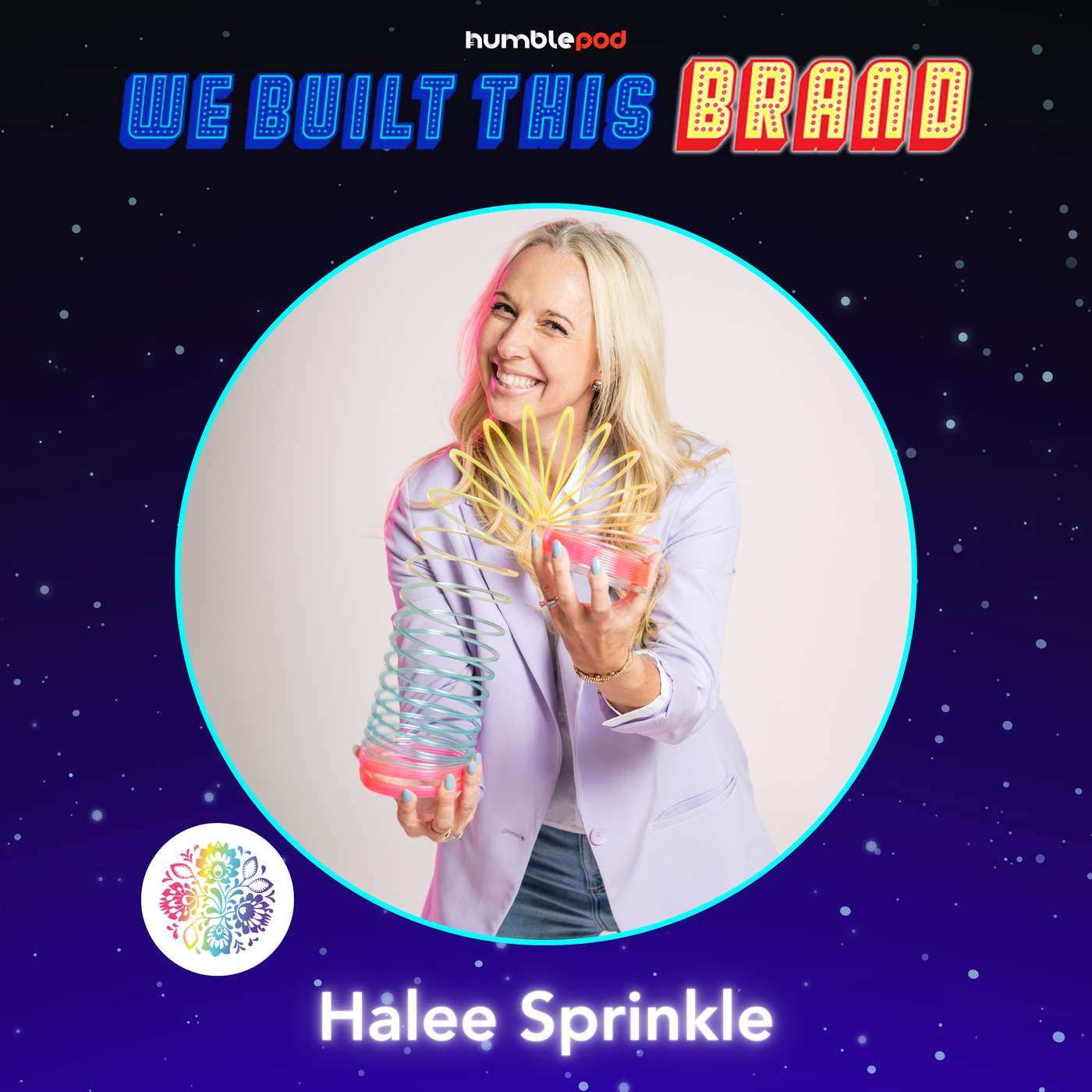



Join Chris as he sits down with Halee Sprinkle, founder of Check Yourself Marketing, to explore the human side of social media. From the very origins of “social media” to the challenges of maintaining mental health in a digital world, Halee shares hard-earned insights on entrepreneurship, authenticity, AI, and community-driven marketing strategies that actually deliver results. Whether you’re a small business owner or a seasoned marketing professional, this conversation will leave you inspired, informed, and ready to show up authentically online.
Show Highlights
(02:09) Haley's Journey: From Army Nurse to Marketing Professional
(03:26) The Birth of Check Yourself Marketing
(03:30) The Aha Moment: Identifying a Market Need
(04:41) Naming the Business: The Story Behind Check Yourself
(08:10) Challenges and Failures in Entrepreneurship
(10:49) Pivoting During the Pandemic
(13:27) Mental Health and Social Media: A Personal Perspective
(15:33) Dealing with Trolls and Negative Feedback
(20:50) Teaching and Content Creation
(27:46) The Role of AI in Marketing
(37:55) The Power of Content Creation
(41:29) Upcoming Events and Classes
(42:49) Final Thoughts and Connections
Links:
https://czechyourselfmarketing.com/
Start a podcast with HumblePod! https://www.humblepod.com/our-services/
Sign up for our newsletter!https://www.humblepod.com/newsletter-sign-up/
Halee: Yeah, so kind of my mentality. I'm very big on mental health and social media. You have to be careful because it's a place that doesn't always feel great for your mental health.
Chris: No.
Halee: So a lot of that. I also like to take clients back to the beginning of, it's called social media. It's not marketing media.
It's not advertising media. It's called social media. It's meant to be a place to be social. It sounds so simple, but sometimes I have to remind them of the origin and the reason for it, and the reason that we as consumers are on there. Mm-hmm. We're not on there to be shown flyers and infographics. To learn about the benefits of hvac.
That's not why we're on there. You know, we are on there to see maybe something funny that the HVAC team did, or mm-hmm. You know, there's ways you can incorporate your business and your marketing and be community minded.
Speaker 3: Welcome to, we Built this brand where we pull back the curtain on the people, the ideas, and the sometimes sparkly process of building something that matters.
Today we're talking with Haley Sprinkle the owner at Czech Yourself Marketing a social media marketing agency. Located right here in my hometown of Knoxville, Tennessee. Now I've known Haley for quite a while. We were on the board of a MA Knoxville together years ago, and I've had the privilege of watching her start this business from the ground up.
In this interview, we dive into her brand and we're gonna talk about where she got her name, how she's positioned herself, how that's helped her grow her business, and we'll also dive into some deeper conversations about social media and mental health. And how navigating that as a modern marketing professional can be challenging.
And lastly, we'll talk through the challenges and nuances of using ai. I know it's a bit of a challenge these days. And that said, without further ado, here's my conversation with Haley. Sprinkle of Czech yourself Marketing.
Well, Haley, welcome to We Built This Brand.
Halee: Thank you. Thank you. You've had an amazing guest at this table, so I feel honored to be here. Wow. Amongst, amongst the people at the table.
Speaker 3: I know. I'm very grateful to have you here. I'm excited to be chatting today and really just wanna talk to you today about what you've done with Czech yourself marketing.
Halee: Mm-hmm.
Speaker 3: Um, how you've built that up, um, into what it is today. Okay. And kind of where you got to.
Halee: Yeah. So,
Speaker 3: um, really just, you know, how did, how did all this get started? Like, where did you start your career?
Halee: So I was born in February. No, I'm just kidding. Um, so I did, I'll start that far back. That far, but growing up in the Midwest, grew up in a very close community.
Community. Mindfulness was the center of my family. Our church just really, you know, showing up, pitching in. So I've carried those skillsets and those disciplines through life, um, into college. And believe it or not, I went to college to be an Army nurse. Um, oh
wow.
Right after nine 11. It was kind of that I felt passionate about helping my community and that felt like what the choice was gonna be.
And then a year into that realizing, you know, I don't really think I can do that the rest of my life. There's a lot of, I'm really connected with people and I thought that would probably be really hard for me on that side of life to maybe fulfill that. So did a 180 and switched to business marketing.
Yeah, completely different, um, area, but I've always been very creative, very curious in the sales and marketing side of things. So kind of switch that mindfulness, but then took the community with that. Um, and in my careers, that definitely became. An attribute of what I was doing with, um, a lot of non-profit board, um, seats that I held and just within my jobs, and then kind of had that aha moment within my last corporate role of there was a need in the market.
Hmm. You know, it's always that need as well as wasn't super happy with kind of corporate lifestyle and just the work-life balance, non-existent. Stepped out in 2017 to launch my own business. Czech yourself Marketing.
Speaker 3: Nice. So what was that aha
Halee: moment for you? Yeah, so I think very particularly, it was a client that we had gone to meet with to pitch an advertising package and they just had so many questions that were basic marketing questions and they were so overwhelmed with what we were presenting them because they had no base knowledge of even the words we were using.
Hmm. And that overwhelm, I did my empathy, I like almost wanted to start crying in the meeting for them 'cause they were just. So disheartened where their business was going, where it was at. And they're like, I can't commit to this because I don't even know what you're pitching me. And we just didn't have the time in our, OR capability in where we were at with our roles to be that person for them.
Hmm. So it was the aha moment of they just need somebody that will come on the outside and talk to marketing, talk to 'em about marketing, explain things to them without selling a product. Hmm. Um, and I thought, could I do that on my own? And then that kind of sparked the. I would say downhill. Downhill for a while, but then uphill thought of entrepreneurship of what that would look like.
Um, leaving the corporate salary and the benefit holder for the family and all those scary steps, so,
Speaker 3: yeah.
Halee: Yep. Wow. Aha. Moment.
Speaker 3: That's a really, really good reason to jump into that career. You found a, mm-hmm. A need in the market. Yeah. You found something that people really needed help with and you dove in.
Yeah. That's awesome.
Halee: Yeah. Yeah.
Speaker 3: Um, where did the name come from? Check your, because it's not just C-H-E-C-K right's check, like cz, ECH. Yep. So where did that come from?
Halee: So again, back to my mid, my Midwest roots, uh, Cedar Rapid ias. Born and raised. A area of town is called the Czech Village. Mm-hmm. And as a little girl, it was my little Disney princess, part of town folk art all over the buildings.
Beautiful colors. There was a dress shop and a pastry shop. And really my first kind of exposure to entrepreneurs, a lot of family owned businesses from the immigrants in the 1920s still were there. Mm. There was these big lion statues on the bridge, and I've always loved cats. So it was just all these fond memories as a child.
So when it came to naming my business, everybody said it should be sprinkle marketing. Okay. Yeah. That's fun. It's very fitting. Mm-hmm. My name fits me very well, but I wanted something different. I wanted something I could walk into a boardroom and feel confident. Of just saying something not as girly and outgoing as I am all the time.
So did a naming convention exercise where I love spreadsheets and it gave me three columns and spreadsheet. First one was kind of some words that resonate with you, childhood memories, things that just are family, things that maybe you could easily tell within a, a brand story. Mm-hmm. Second column was values for your future business or yourself as an individual.
Um, and then the third was just industry verbiage. Mm-hmm. So kind of then it gave you name and conventions where it kind of crossed. Cross pollinated the words and gave you different naming, um, combinations. And one was Czech yourself marketing. 'Cause I had the Czech Village written in kind of the childhood memories.
And then I'm also big on self review, stopping and checking yourself. Every time I've changed a career, every time we've moved, every time we've made a family decision, we stop and check ourselves at self review. And so it kind of gave me this check yourself marketing. With the Czech spelled like Czech Republic.
And I immediately envisioned my logo and the folk art of the Czech Republic my way I grew up, that I could implement into it. Um, and it just, it sat with me. And it sounded weird to say it the first few times 'cause I was made up. Right. Like Right. Imagine the first person that said Google was like, that's a weird word.
Yeah. You know? Yeah. Um, so it was weird to say it first, but then it really stuck and people remember it. Oh, you're the check yourself business. Mm-hmm. Oh, you're that sprinkle check business. And if they get those words right and they can Google it, I'll come up. So Yeah. I can't complain about that. Yeah, it's fun.
That's,
Speaker 3: that's awesome. When, when I heard Czech yourself marketing, I remember when you were coming up with this idea, 'cause we were mm-hmm.
Halee: Yeah.
Speaker 3: In the board. On the board together. Yep. At a MA Knoxville. Yep. And, um, I remember loving it because like, uh, the first country I ever visited outside of the United States was mm-hmm.
To check Republic. I went to. I love that. Have you been to Prague by the way? I
Halee: have not. But everybody's first question, I'm always like, I'm really sad to say no. I need to make that in a bucket list item for myself's A. It's
Speaker 3: beautiful. It's beautiful. And it's a relatively affordable trip too. Yes. It's that part of central Europe where it's really easy to get to and it's just, ugh.
Especially if you go in the spring. It's beautiful. I highly recommend you go.
Halee: Yeah, I need to for sure not have a photo. I have a brand photo shoot. I can make it a business trip. Right. Oh, wink. It's a business
Speaker 3: expense. 100%. Yes. Yes. Yeah. And while you're there, go to the town of Pilsen. Of course.
Halee: Okay. Adding it.
Mm-hmm.
Speaker 3: Uh, town of Pilsen is the, um, the home of the Pilsner beer.
Halee: Oh, yes. Yes. Okay. My parents had visited and they, my dad goes a couple times for work. Has been for work and has always brought things home. And I think I have a big coffee mug or something with that on it. So. Nice. Yeah.
Speaker 3: Pilsner Kel is the name of the brewery, but there's so much beer there.
It's like a Knoxville's, a craft beer city. Mm-hmm. But like, they're like the original, the o version of that. Yeah. Okay. It's, it's awesome. Um, but that's, that's really neat. So you, so you've done that, you've, you've built. Czech yourself, marketing. Um, where was that first moment of validation with this business?
'cause I know it wasn't just out the gate. There was challenges I'm sure. Associated with it. So yes, it wasn't just out the gate. Immediate success. I know there were some challenges. I don't say failure 'cause I know you've done well, but
Halee: there's been failure. Tell me about that. Failure is okay. I like to say the F word failure is.
Failure is okay to say in entrepreneurship?
Absolutely. I
think if you haven't failed, you haven't tried hard. Mm-hmm. I think there's, and that can be small failures or big failures. Mm-hmm. There people that have had closed businesses, that's a pretty big failure. Oh yeah. Um, there has been failures. There's been failures and services I've thrown out there to see if people needed.
I did a summer of kind of these courses I put out there and it totally failed. And then I let two years go by where I kind of built a program and relaunched that. The pilot program for it this past year, and it was a great success.
Hmm.
So every failure I took is a challenge to either, I'm not gonna do that again, that was a failure, or how can I do different next time?
Hmm. So there definitely was failures, but that true validation moment for me I think was when, um. Two, two parts. One, when partners and collaborators started to want to bring me into projects mm-hmm. That felt kind of a, oh, okay. So they see my value. You know, when you're in corporate, your value is, you're told what your value is, right?
This is the salary I wanna give you. This is what you're, you know, you can have within the company. And it's capped here. You're told what your value is. As an entrepreneur, we have to figure that out on our own, and it's one of the most stressful things is to figure out what your pricing is, what your value is to the community.
Um, sometimes in just the dollar sign, and I've always been told, I have a friend Icks that tells me to give your price than ad tax.
Speaker 3: You've interviewed Erica.
Halee: You have it. You have That's right, yes. So you can go back to her podcast and listen.
Speaker 3: Mm-hmm.
Halee: So I always think about that. I think about her words when I say that.
Uh, so that collaboration, those partnerships coming in we're definitely a moment of validation. Then also, one of my big goals was to, um, reach a salary. That was the salary. I left corporate on my own, and when I hit that, it felt like I did it. Yeah. You know, I, I did. I did what I said I was going to do, and I got to a place that I can provide with my family.
On my own, with my own vacation time, working wherever and however I wanted with my cats, in my pajamas on my couch full time if I want, or on the beach with my son playing in the water, um, versus the corporate. So those were my two big, big moments of validation.
Speaker 3: Yeah, I I totally get that. 'cause I left a big corporate job years ago to go into marketing and kinda make my way through that field and I, I cut my salary down to a third of what it was before.
Halee: Yep.
Speaker 3: Yep. For years.
Halee: Yeah. Mm-hmm.
Speaker 3: It is not an easy journey. No. And it feels so good when you get back
Halee: there. It's, it has, it has immensely.
Speaker 3: Yeah. So that's, that's awesome. I mean, those are, those are both really great things and um, I know you've done a lot with that. So let's talk a little bit about what you specifically focus on within Czech yourself, because Okay.
There's a lot. Of businesses in the marketing realm, where would you say you specialize?
Halee: Yeah, so again, going back a little farther, consultations where I intended to be. Just that, that ear to hear on the outside and then 2020 hit and we all know what happened then everything went away. Marketing was the first budgets to be cut most places.
I was working with a lot of nonprofits at the time and I just ended the says, I do not expect you to maintain this. You cannot have fundraising events. Mm-hmm. So I fired myself on almost all my accounts.
Wow.
And kind of went to zero and tried to figure out. What I was gonna do to pivot, um, that became my least favorite word, pivot, because I feel like we said it so many times that year, but I did, I had to take time to pivot and social media is where everyone needed me.
Mm. They, that's where we were marketing, that's where people are present. That's where we were getting information and updates and, you know, talking to family and, um, keeping up with everybody and learning. TikTok dances were the first time. So, and, uh, all the challenges, so. I kind of leaned into that skillset and did some certifications and just took all these, did all the free zooms that were out there during that time and really focused in on social media marketing being, um, my number one service and it has maintained since then, and it's still morphed from that, that place of where I was for my clients to where I am now.
But a lot of social media marketing whole. You know, white labeling, um, entirely behind the scenes for their social media department. Hmm. Um, creating strategy, uh, content creation, photography, videography, wherever I need to bring in third party assets where I don't have the skill sets I do. So.
Speaker 3: Mm-hmm.
Halee: Um, yeah.
So that's really been my number one service.
Speaker 3: Yeah. Yeah. So you focus on social media. Mm-hmm. What is your approach to, um, to working with a client? Like, take, take me through like your, your philosophy in social media.
Halee: Yeah. So kind of my mentality, I'm very big on mental health. And social media, you have to be careful because it's a place that doesn't always feel great for your mental health.
Chris: No.
Halee: So a lot of that. I also like to take clients back to the beginning of, it's called social media. It's not marketing media. It's not advertising media. It's called social media. It's meant to be a place to be social. It sounds so simple, but sometimes I have to remind them of the origin and the reason for it, and the reason that we as consumers are on there.
Mm-hmm. We're not on there to be shown flyers and infographics and. To learn about the benefits of hvac. That's not why we're on there. You know, we are on there to see maybe something funny that the HVAC team did, or mm-hmm. You know, there's ways you can incorporate your business and your marketing and be community minded.
Again, always come back to those words. Community minded, thinking of our audience, what they're going to enjoy, hitting their pain points, reminding them as a small business, I'm still a person. My child probably goes to school with yours. Just resonating and building that community and keeping the social aspect in there.
A lot of localized content.
Speaker 3: Yeah. That's, that's great. Mm-hmm. So, I mean, speaking to that, thinking about the, that localizing of the content and the, the mental health aspect, like, is there a reason that social, that the mental health aspect became so important to you? Or is that just something
Halee: Yeah, I mean, I, I have, I have pretty high anxiety and really bad imposter syndrome.
Hmm. So constantly comparing myself to others of. Your career, the way your Christmas looks to somebody else's. Mm. How is my house decorated? My house is a hot mess. That person's house is immaculate and it's perfect. You know, those constant things that wherever you are in life, we're always gonna be second guessing.
Yeah. Um, some people have imposter syndrome more than others. I had a, a, you know, kind of a breaking point and realized social media was the pivot of it, and a lot of it was. Mm-hmm. After I. Brought it on as a service. I was in it all the time, whether I wanted to be or not. Mm. Um, so another amazing individual.
I'm not sure if you've, I interviewed her. If you haven't, you should. Samantha Lane,
Speaker 3: I have not interviewed her yet, yet, but I went to high school with her.
Halee: Oh. It's a such a small world.
Speaker 3: Samantha, the swim team together. It's such a small
Halee: world. Oh my gosh. Yeah. She gave me, um, a great skill set to put.
Boundaries and time limits on my phone, on my social apps to not be on it beyond work hours. So if I've spent six hours in it during the day working, I'm not on it at night.
Wow.
Because even though I'm in it for clients, I can protect myself on my channels, but when I'm in on their channels, I can't block things.
I can't. Unfollow things that don't feel good for my mental health. Mm-hmm. So I have to be very mindful of what time I'm spending on it and giving myself the break to walk away or look, you know, do what I need to, to kind of cleanse, cleanse my soul if I feel there's things that I'm consuming that don't feel good.
So it's very important to me that I also kind of train, translate that and teach my clients. 'cause a lot of them come to me like, I hate social media. It's a terrible place. I don't wanna be on it. Why do you think it's valuable? I'm like, well, the more good we put on it, the more we are there present in the way we should be for community, for each other.
That helps shove the bad stuff away.
Speaker 3: Yeah. Yeah. Yeah. I mean, I, I think there's definitely value in social media and definitely when it comes to mental health. I mean, I can think of times where I've tried to do stuff for Humble Pod and had, like the first time I tried to run a paid ad, I had somebody like cursing me out in the comments because they just didn't wanna see the ad.
Halee: And
Speaker 3: they don't, they don't know there's a real person behind all that. Nope. Checking that.
Halee: Yep.
Speaker 3: They're just angry that something came up in their feed, they didn't volunteer to see.
Halee: And we take that so personally Yes. As small business owners. Yeah. And it's, I I do have to, if you like, train a lot, train on the trolls.
Mm-hmm. Teach them. It's, it's not a, if somebody's gonna say something, it's when, oh, I have all five star Google reviews. Great. I do too. I'm terrified of that first one. It's not great and it could not be a real person, but it still doesn't feel good. Yeah. Even if it's not a real person or it's somebody just wants to be ugly for no reason.
Saying something. Um, it's just, again, one of those points that you really have to prepare yourself for and. Know that the people are gonna say something at some point. Yeah. And it's nothing to do with you. Yeah. It's them.
Speaker 3: Yeah. I had a, I had someone I interviewed for Humble Pod. This may not make it into the edit, but I'm gonna tell you anyway.
Um, and if it does leave, you can feel free to leave that in. Um, but I had someone who I chose not to work with mm-hmm. Who chose not to hire. Yeah. And Hebrew Review bombed us.
Chris: Yeah.
Speaker 3: Mm-hmm. And that, that was tough too. 'cause it's like. Dude like that. Why, why
Halee: there, why
Speaker 3: wait? Why are you wasting your energy doing this and making stuff up?
Yep. And then, um, you know, I know from experience too, working with like in the, um, in the construction world a little bit. Mm-hmm. I want to be dry waterproofing and we had to be part of the Better Business Bureau and all that. Like Yeah. People can just be so angry Yes. About the smallest things. Yeah. And then that stuff just sticks on your digital record for forever.
Mm-hmm.
Halee: Forever. Forever. So
Speaker 3: yeah. I totally. Totally think it's wise. If you're doing that all day to step up and step away so you don't look at any social media after hours, then
Halee: I wouldn't say that I, okay. I limit myself. So if I've done good and not been in the apps trolling, or not trolling, I'm not trolling doom, scrolling d doom, doom, scrolling myself for too long, then I can go back.
Like I'll be in there for personal reasons or sure, you know, post things, but I am better. Than I used to be, of just not being in there, just looking at other things. Mm-hmm. Right. It's just I've tried to get back to reading books. Yeah. You know? And smelling paper and coloring and doing things that just feel good outside of what I'm doing on a day-to-day basis.
Yeah. Yeah,
Speaker 3: I hear that. It's amazing how much time we spend glued to our phone. Yes. Looking at things, I mean, with the world being the way it is today. Yes. It's like what now? Like there was a, I'm just gonna say it like. When, you know, when this last election cycle happened mm-hmm. There was a mental shift that I had.
Chris: Yes,
Speaker 3: yes. And my anxiety level started to spike. Yep. So, so many, 'cause the way the news cycle starts going mm-hmm. And starts posting stuff, it's like, I haven't had this for four years. Yep. I want it back.
Halee: Yes. And now to add on top of that, all the AI that's being generated, the content's being generated, we don't know what to believe anymore.
Right. So we're second guessing our own human nature of what we're watching. Mm-hmm. Was that real? Was that not real? We don't know. You know, we, we, we don't even know where to land and how we feel. Yeah. So that unknown is just creating more mental health issues.
Mm-hmm.
Uh, so yeah, it's a con, it's a, it's an ever evolving self boundary setting.
Speaker 3: Yeah.
Halee: Um, plan that you have to do.
Speaker 3: Absolutely. Absolutely. Mm-hmm. But it's good that you do it, and it's good that you said that. I try my best said that. Um, so you've, you've also talked about, um, the, the idea that you had, that failed. Mm-hmm. And then you brought it back and it worked. Yes. Yes. What
Halee: was that idea?
Yes. So I, that the one that failed again, just was maybe two or three courses that I put out there. Because I saw this need continuously, people wanting me to teach them. Mm-hmm. So yes, I can come in and take over your social media, but then some small business owners were like, well, I can't really meet that price point.
Is there something we can back off of that? And I never wanna devalue my work or my right, what I'm providing. So it was, how can I fill that need? 'cause I'm a. People pleaser and I wanna fill every box. Mm-hmm. How can I fill that need? But at a price point that's more manageable for them. And that was, well, I can teach you how to do it.
Hmm. I can create a course to teach you how to do it until you have the revenue stream to then support hiring a third party like myself or someone else. Um, and so I would do so, so I created those courses and launch those in topics very specifically. People had continuously asked for questions in or wanted me to, you know, um, train them in.
And I had one person sign up. And I think I put like 30 different dates out there. And it was, I mean, she, I was so excited that she came, you know, she knows who she is and it was fantastic. And she signed up for every single one. So it was like I had revenue from it. I didn't put a ton of revenue into it.
So that was also good. Like I did. That's good. Did prepare myself in a way that I did a lot of it myself, you know, created the webpage myself, did all the things on my own. Mm-hmm. The cheapest I could because it was a pilot program, first pilot program.
Yeah.
And so that felt like a failure. In a way of just, it didn't get as big as I, you know, everybody had said, I want this.
I'm so excited. Can't wait till you launch and then nobody signed up. Mm. And I think a lot of it, there's a lot of things I learned from it. One, it was summer. Mm-hmm. Nobody, all the, you know, small business owners are either really busy in summer or they're home with their kids too. Yeah. And I didn't think about that.
Mm-hmm. So the failure is time for to refer reflection. So I took that into consideration. Took a few years off of that. Just did a lot of speaking engagements. One off for other organizations. Rebuilt the kind of program and what content people wanted. Found a different space than I was using different, more easy to kind of navigate for people.
And then relaunched that in February of this past year. Um, the second pilot program, let's say, uh, for what I ended up calling BIG marketing labs. Mm-hmm. The BIG standing for branding, innovation, and growth. Hmm. A lot of focus, a lot of the classes. Fell into one of those categories, if not kind of touched all three, uh, the categories being Chad c, PT for small business.
I taught just a general meta business suite, um, that contain a lot of ad placement information. 'cause a lot of small business owners are like, I just need to know how to place an ad.
Chris: Mm-hmm.
Halee: And. Um, had a couple other content creation classes, taught that out of the KN space downtown, which was such a cool space.
Mm-hmm. Such a cool team there and had had great success and I had met so many amazing people I'd never met before, so it was kind of a new business generating. A lot of them wanted to work with me outside of that after the class, so it kind of was that residual income, you know, continuation, which was great.
And I felt great, really great about that. Did it kind of February to April and then took the summer off and was gonna relaunch in September. And then a lot of shifts happened for my business and myself. I was reconnected with an individual that I've known for years, and she had stepped out of a corporate role into her own con consultation business, and she worked primarily in the marine space.
And she brought this project to me that sounded terrifying, and I said, yes. That's the best. And it was the best and it was, it has kind of put us in this trajectory and we're replicating that project now to the point that I might be bringing some more internal team members on with me, which I've always been resistance resistant in being an agency myself, but another, and I don't know, I, I can't really contribute this to any individual like I have with Samantha and Erica, but somebody at one point said to give yourself permission to change your mind.
Mm.
And
that's something I've held onto and tried to remind myself that you may have had a plan, but it's okay to change your mind. Whether that's, you know, I've told myself any, any given point, I wanna quit my business and go snuggle pandas, that's gonna be okay. Yeah, because that sounds great, but permission to change my mind.
So we're, I've always resisted being an agency. I just wanted to be an agency of one. Mm. I might be bringing on some contractors and some work, um, more, more close to home than just a inter, you know, external contractor. Yeah. So that's kind of exciting, but also also terrifying. But back to my BIG marketing labs.
Yes. With these kind of trajectory where I've gone now with this new partner. Um, my labs just didn't necessarily make sense to launch again 'cause my time was very consumed with being present for this client and my clients that I already had in my portfolio. So I just kind of decided not to relaunch it.
And at the same time, I had someone connect me with a University of Tennessee Professional Education and Lifelong Learning Center. Yep. That's a lot of words. Um, and so now I'll be teaching courses through their system next year, so kind of repurposing my marketing labs, my BIG marketing labs, so they're not dying and they're not going away.
Just repurposing them for an, you know, a different, uh, coursework that kind of has a, has a wider net as well, which is kind of exciting to kinda see where that goes. But I've got big plans for my BIG marketing labs, you know, the big dream that if I win the millions of dollars, what I would do with it. Um.
But for now, that's, it's landing at the UT Center for Continued Learning, so it's gonna be great.
Speaker 3: That's awesome. I actually taught there for a little while. I think we Oh, awesome.
Halee: I dunno if we talked about that or not. I don't, maybe,
Speaker 3: maybe. But yeah, there been a lot of
Halee: people that had great experience just kind of working through their system with them, so, yeah.
Yeah. Yeah,
Speaker 3: they, they're great. I wish we could still keep it up, but I think. Podcasting like for someone at a corporate job. Mm-hmm. Like we did get a lot of people like Right. Coming in to sign up for those classes. Yes. So sadly mine ended up getting canceled. Yeah. But, um, but the marketing piece is very important over there.
Yes. And so I think that's a great program to be evolved in. That's awesome. Yeah. I love That's exciting folks over there.
Halee: Yes. Yes. That's, that's been great.
Speaker 3: Want to launch a podcast without the hassle? Humble pod makes podcasting easy from concept to launch. We'll help you create a professional engaging show.
Already have a podcast. We handle editing, show notes, transcriptions, and even video production so you can focus on your content With our tailored services, you get high quality production, seamless publishing, and expert support at every step. Whether you're starting fresh or leveling up, humble pod ensures your podcast sounds amazing and reaches the right audience.
Visit humble pod.com to get started today.
That's really cool. So, so you're growing, you're moving forward, you got a lot, you got a shiny future ahead.
Halee: Yes. Unless there's another pivot. Yes, yes. No, I'm try to be optimistic. It's, it's great and it's terrifying all at the same time, but I've never done anything. That wasn't everything that's been terrifying in my life.
Decisions we've made, whether it's through my business or my husband and I have an investment business between the two of us. Any of those scary decisions we've made have always been worth it in the end. Mm-hmm. There has been failures through them. Yes. They're not all sunshine and rainbows. I love me some sunshine and rainbows and unicorns, but, um, it's definitely that, that failure is part of it, but it's.
It's kind of like, I'm excited to see what I fail at in next year.
Chris: Okay.
Halee: Because it means I'm doing scary things and I'm pushing myself. Mm-hmm. Instead of just being comfortable. This year was definitely about me not being comfortable and I can feel it. 'cause next year feels really big, which means I've pushed myself past where I kind of hit a plateau with my business.
And next year's gonna be a pretty big one. So we'll see. It's exciting, but yeah, still scary.
Speaker 3: That's really exciting. Yeah. That's really fun. Yeah. Um, so as we look towards the future, obviously we're at the start of a new year, what outlook do you have on like, social media for the year? Like what things do you see coming since you're in and on a day in, day out mm-hmm.
Basis. Like what, what do you think?
Halee: Yeah, so I've been. Having these conversations a lot just, you know, 2026 planning. Mm-hmm. And thinking for the year, trying to get ahead of a lot of things. AI is of course something that's always top of mind, top of conversation. How can we implement it? Should we implement it?
What are we not using it for that we could be. Um, I'm actually teaching a AI Bots and boundaries course at the Maker City Summit in, in January, which is pretty exciting. The first maker city speak, speaking engagement. So that's exciting. But it's, that's exactly. The reasoning, the topics of, um, you know, where chat chip t and AI can be utilized for your business and where you should still have boundaries.
'cause again, I'm very big on mental health, but also business boundaries of being authentic. So again, that's a good segue into authenticity is a big thing for next year. 2020 really taught us, we want transparency from businesses and individuals. We wanna see them. For who they are. Where is our money going?
Are they gonna say what they're do, what they say they're going to do? Um, so that authenticity is gonna be really important, making sure you show up everywhere, the same person, your brand's, authentic, and um, an easy brand story to share. And then. I'd say that third part, again, I always come back to community social media is continuing to create those private communities you can be a part of.
Um, the Facebook groups are still a great part. If you can find a way to implement, then a business strategy. Facebook groups are just where people are collecting to talk about your product. Even if you create it and you let somebody else lead it, it's not led by your business, but they're there talking about your business or you create one.
Within your industry, um, that people can just talk about things. If I was to create a small business marketing group and let people talk about marketing and then I come in as, you know, a thought leader and giving ideas, that's the way I could use it. I don't do that. That's just one more thing for me to create.
But there are so many ways you can use Facebook groups to kind of create that community for your business. So I definitely say AI authenticity and those community, um, groups are gonna be pretty big next year still.
Speaker 3: Yeah. Yeah. I think, I think that's. You bring up something interesting because it's a big contrast and that is AI versus authenticity.
Halee: Yeah, yeah, yeah. And I've, I've had that conversation with Marcus Blair, who's an amazing I ai, um, automation. Uh. Business. Mm-hmm. Omega Solutions, I believe is his business name. Mm-hmm. Um, I'm name dropping a lot today, aren't I? Yeah. Uh, Marcus and I had done a class together and it had come up about, you know, how do I stay authentic and use ai because you're pulling from every, everyone else's quote unquote, authenticity, right?
Mm-hmm. Their information, their business models, their thoughts. And I always just like to bring people back to, you know, before you go to ai, have a firm understanding of your brand, your values, your beliefs, your verbiage, your messaging. Know what you wanna say. Put all of that in ai. Create your own GPT, create your own kind of AI tool.
And say, use this to pull information from. Mm-hmm. This is what, who I am, what I wanna talk about, and then start using it to generate content or ideas or, you know, that way they know it, quote unquote knows you. Um, but you've created a space that you kind of have these boundaries set around your brand and around who you are.
Mm-hmm. That way you're not saying, give me a post about mental health. And it's pulling from the internet. And it may not be your viewpoint. Right. It may not be relatable to you and how you see the world or your experiences on why you've. You feel that way. So creating that your own kind of bubble of AI helps protect the authenticity of who you are when you use it.
Speaker 3: Yeah. Yeah, I would agree. Yeah. I mean we, we definitely kind of approach AI in that way. Mm-hmm. When we use it at Humble Pod or in anything we're writing is Yep. Um, we wanna make sure it has a data source that pulls from, that's something we've originally like Yes. That's original to us that we wrote. Yes.
Here's our tone we created. Yeah. Yeah. That makes a lot of sense.
Halee: Yeah. Yeah, yeah. Know who you are before you use, use ai, so it'll try to tell you who you are.
Speaker 3: Yeah. Yeah. And I mean, AI can be challenging with consumers too. Yes. And that's the other, the other real challenging part of it as well. Like where are you using any of your business that builds trust versus, you know, people see you doing an AI ad and like, oh, that graphic's definitely ai.
Yes,
Halee: yes. And then that's, that's almost, I'm, I'm, I'm really interested to keep a tab on that psychology of how we as consumers. CAI. Mm-hmm. Because I know when I see it, it, I immediately think fake. Yeah. And then fake makes you feel feelings of lack of trust. Mm-hmm. Right. So the psychology of, we keep using AI and we keep losing trust with people.
How do we come back to that authenticity and that localized content that doesn't, like how do we show a photo and convince you it's real? Yeah. What is that? Is it, you know, how do we, how do we convey that? So that's a challenge that. I've been kind of working through with some of my clients on Yeah. You know, we use occasional AI just when there's something fun, but if it's anything trying to communicate message or, you know, um, trying to invoke a feeling, we try to use very authentic imagery.
Speaker 3: Yeah. Yeah. Well, I think people can suss it out too, the way. Yes. We've gotten pretty good about
Halee: it.
Speaker 3: Yeah.
Halee: It gets me every now and again though, when you see that one reel and you're like. Wait, is this real? Then you see the cat grab a knife and run through the house like, oh wait, that's not real.
Speaker 3: Yeah, that can be, that can be real.
That can wait. That's not
Halee: real. Just kidding.
Speaker 3: Yeah. Yeah. Um, but yeah, it's, it's fascinating what it can do. And I mean, AI can even be dangerous to your mental health. I mean, going right to that part of the conversation. Yes,
Halee: absolutely.
Speaker 3: It enables and it wants. To make you happy. An example from Humble Pod, or even, we built this brand, we were writing a script.
Mm-hmm. And I used AI to help me pull together and develop the script for, um, an episode we have that's gonna be like, highlights from previous episodes. Mm-hmm. It wanted to make me happy. So it started pulling copy mm-hmm. From the scripts that I provided it and modifying it mm-hmm. To match my, my storyline that I wanted to tell.
Chris: Mm-hmm.
Speaker 3: And it wasn't giving me the actual content, which is what I needed to hand off to my editor.
Halee: Yep.
Speaker 3: So my poor editor reached out to me and he is like, dude, none of this makes sense.
Halee: It's mumble ju it's
Speaker 3: like, it's like, it's like it makes. Sense in terms of the flow, but it doesn't actually match what was said in the transcript and we had to go back and Yep.
You know, massage that and clean it up. Yep. We've all done that.
Halee: Just grabbed it and said, okay, great. This must be exactly what I want. Yeah. And then you read through it and you're like, what is that word? Yeah. For me it always makes me laugh because it, I had to ask it to stop using unicorns and sparkles, emojis, and everything I asked it to make because it knows that about me, that I like sunshine and rainbows and Lisa Frank and using unicorns.
So it tries to make me happy by putting a unicorn. Every single post. Yep. You know, content that I ask it to create, I'm like, okay, stop using the unicorn.
Speaker 3: I, I actually told chat GBT that I wanted to talk direct and be very direct and straightforward. Yep. So now at the beginning of every comment, it's, let me shoot you straight on this.
I'm just, we're just gonna be straight up honest on this, like it's overcompensating Yes. For, and it's what I want.
Halee: I always like to also tell people to name it so that you can talk about it like it's a coworker, right? Yeah. So mine for some reason is Chad. I don't know why. Chad's just the name I named it.
Mm-hmm.
And I'll just be like, Chad, I didn't like that at all. Gimme something else. And it's like, okay, Hailey. And I can just read like the tone and it, you know, humanize it. But, um, it's to remember that it's AI is important because it's not gonna give you exactly what you want. It's pulling from the internet, from other sources, from your competitors to, again, people please to give you what you're asking for.
Uh, I definitely always say if you're. Trying to write something in site information to ask for the site, a hundred percent the website. That way you can still go and look. Don't just believe it. Actually click, go and look. Verify what you're doing because again, even when you use Google at times, you can look at something and yeah, you go, okay, it's from this website.
Just grab the quote off that, you know, Google Query page. You don't actually click on the website and go to the website. Not what you thought it was. Right. Or it's part of a conversation you didn't really intend to be a part of. So that verification is definitely very important.
Speaker 3: Yeah. Yeah. I think, I think it's very important to trust but verify with ai.
Yes. You run into so many made up things and
Halee: mm-hmm.
Speaker 3: It just, yeah. It's not, it's not, um, it quite ready for prime time. It's like they're building the plan on the way down or something. Right. Asking for billions of dollars and just,
Halee: I, I just like any tool we use nowadays, I remember when Facebook first came out.
You know, we had to say Haley is doing like, you know, the is is doing was part like permanent in the, in the page. Um, when I teach high school or college classes, I like to try to find some photos and show them the example of how much that system has changed and how it was never meant for businesses. It was meant for literally social media and college students.
Mm-hmm. And where we've taken it today and they had, yeah, those beginning tools and where they, where we intend them to be and what we use them for and what they turn out to be used for. It's just kind of, you gotta kind of ride the ride sometimes with these platforms and where they're gonna go. Is TikTok gonna stick around?
I don't know.
Speaker 3: Yeah, I, I will say, and they, they've eventually found a way to make it make money, which was their goal.
Halee: Yes. Yeah. Oh, absolutely. Which is every goal, right? We're already paying for Chacha bt. So they monetize that pretty quick, which they knew. I'm sure there was examples out there before where they weren't having people pay for, but Well, they, they learned to monetize that pretty quickly.
Speaker 3: I don't know if you ever saw, but Microsoft defined when they put in a big investment into open ai. Mm-hmm. They said that their, um, what was it, their definition of A-A-G-I-A. Mm-hmm. Um, what is it? Artificial general intelligence.
Halee: Mm-hmm. Yep. Generated general generated intelligence. Yeah. It,
Speaker 3: their definition was when it was generating like.
$50 billion a year or something like that in revenue. And it had a, it was a revenue marker though. It wasn't any definition of what that actually meant or any metric other than money.
Halee: Mm-hmm.
Speaker 3: And I think that says a lot about what's gonna happen in that industry. Yep,
Halee: absolutely. So there's so many automations that I haven't even started to think of that I probably need to because the more you know portfolio.
I've seen some people use it in a really smart way to automate some parts of their business, some parts of their task, their thinking, their email inboxes. I know you had spoke to, you know, kind of using it to help organize email inboxes, which is so smart. Mm-hmm. I think I've got little rules and folders and things that, you know, like the current quote unquote automation, not ai, but uh, I think there's some really.
Really smart ways to implement the just AI tools outside of using it to create content and generate, yeah, generate content.
Speaker 3: Yeah. There are definitely ways to use it smartly and I think use smartly, it's great
Halee: as every tool. You know, I told a professor challenged me at one point about why social media should be utilized for their, for their career.
They've, I've made it to this point in my life, why should I use it now? And I said, so when you know, you could text on a cell phone, did you just not use it because you could communicate fine just on the phone? Mm-hmm. Just talking on the phone. N no. Okay. Well, it's the same thing. It's just one more way to communicate.
You don't have to use it. No. You could stick with a cell phone and texting an email. It's one more, one more way to communicate in a more visual way to communicate and connect with your community and reach further than you ever could just by texting the people, you know, or talking to people, you know. Um, so she just kind of took that challenge, said, oh, that's true.
I never thought about it that way. You're welcome. Yeah, that's what I'm here for.
Speaker 3: That's, that's a very good, that's a very good point. Yeah. Um, have you noticed it driving traffic to your websites? Because that's something I'm starting to notice. Yeah,
Halee: absolutely. The more that social media is being used for, it's a whole nother acronym, but we have SEO with our websites, right?
Mm-hmm. Search engine optimization. Social media is being used more and more to query within Google. They're querying and pulling in social media content. So if you search my name or my business, I feel like nine times outta 10, my social media pages has come up first because that's where all of my content resides.
Mm-hmm. I don't do blog writing. I don't, I have a, a Okay website. Um, it's, I say, okay, it's not fair. It's a nice website. Um, I wish it was more, but I had. Jaybird bring it way, way up to where it is now, and it's fantastic from where it was. Um, you also did interview with Jess Curtis. I did. And she's done some work on our
Speaker 3: website, so yeah, she's fantastic.
Fantastic.
Halee: I said, listen, here's my budget. It's real small. Just make it pretty. And she did such a good job. I wish it was more dense, but I just don't get a lot of traffic mm-hmm. To meet, to communication through my website. So it's just, there's, you know, a really nice placeholder and information. But if you query me, generally my business, it's going to be social media content that comes up.
Yeah. And that's for a lot of people. It's because if it, you know, they're. Putting the bots out there to say, what do you know about Haley in marketing? They're going through and combing, that's everything I've talked about in marketing. Used my name, used my business name, where other people have tagged me at events, about my speaking engagements, where advertising has been out there for different events I'm at.
It's all on social media. Mm-hmm. So the more we put content out there, whether it is a blog, it's, that's kind of what's gonna help those Google bots find you.
Speaker 3: Yeah. Yeah, it's, it's funny, it still comes back to pushing out content.
Halee: Yes.
Speaker 3: Day in day, wherever it's at
Halee: pod, a podcast also a great place. Mm-hmm. But then I worked with a, actually worked with a podcaster in 2020 and they had a slight social media presence and I just helped them.
Basically grab those soundbites, create little soundbite content, and just push it on their social media. We weren't creating whole new content, we were just creating a visual and adding that soundbite to their social media to direct people to listen to the full podcast. Mm-hmm. And back then it was, you know, it seemed like rocket science.
Um, but it was such a simple thing. And podcasts have just completely taken over social media, and I love the different visual representation that even you all use with some of your videos. Mm-hmm. And different things. It's just gone from that audio content to now. Video, audio, and you know, the graphics and the photography pulled from the, the, from the video.
Yeah. So I love that diversification.
Speaker 3: Yeah. But what's crazy about that, even in what we do is it still comes down to what text is on the page. Right. 'cause that's what the AI is scrolling. Yes. Looking at. Reading and pulling. And if you don't have a transcript, that's right. Yes. Mm-hmm. It won't be able to read it well.
Right. And in some cases, the ai, depending on the crawler and how it's set up, won't just transcribe your audio. Right. They're not gonna take the time to do that. But if there's something that the AI can already read
Halee: mm-hmm.
Speaker 3: It'll read it. So that's why those
Halee: captions and descriptions and fulfilling in all those fields that you feel are so annoying and repetitive mm-hmm.
Are important. 'cause that's where it's, it's pulling it. Yep.
Speaker 3: Yeah. And side note, for anybody at the beginning of the year. Just a, just a professional PSA. Check your transcripts. When you, when you create a social post, read through what the transcript says and correct it. Please check yourself. Please check yourself.
That's exactly right. That's exactly right. How easily I
Halee: use it in conversations. It's funny, it's another good branding thing I didn't see coming. Yeah.
Speaker 3: Yeah. That's great. I love it. I love it. Um, well, Haley, as we wrap up, I always like to ask the question, you know, this is, we built this brand, we're talking branding and marketing and all that, and always like to know where you get your influence.
Mm-hmm. So what brand would you say you admire the most right now?
Halee: Ooh, that's a hard one. What brand? You know, I am always impressed by liquid death. The liquid death marketing plan and marketing strategy is just amazing how they took water and made it sexy. I know that's a weird word to use because it's water.
Mm-hmm.
They did such a good job in their merch and their just collaborations and partnerships. I'm always just in awe of that and I've watched a lot of the talks and interviews they've done with the, um, I'm totally failing on his name, but the marketing lead of that. Mm-hmm. But yeah, I'm always impressed with that.
Um, I get a lot of my influence day to day and just. Keeping up with everything from the Daily Carnage. It's a daily newsletter. Mm-hmm. That hits my inbox. And they do a great job of pulling in stories from Liquid Death, but also all the big brands, Coca-Cola, everything, any new thing they're doing that worked or didn't work.
Um, just to kind of, I geek out over some of those campaigns and how people are doing things with tools they're using. But that's a shout out to them. The daily carnage. Uh, it's a great, a great resource.
Speaker 3: Both, both are awesome. Yeah. I will definitely agree. Liquid death. I'm so glad you name dropped The Daily Carnage.
Yes. 'cause I've been following them for forever. Oh,
Halee: forever. For forever. Yeah. Yeah. That's, it's great. And they always throw in like a recipe at the end, or a great throwback ad. I love seeing those 1950s ads that, you know, are hand drawn by the Dawn Draper of the world. Yeah. Um, and it's just, it's so fascinating.
They do a great job of just keeping you interested and in our field and keeping it, um, really entertaining. Yeah.
Speaker 3: Yeah, that's always fascinating to me, so, yeah. Oh yeah. Awesome. Well, great. Well, Hailey, where can people connect with you? Yes. Do you have anything specific you need to promote? Like your classes at ut Yeah,
Halee: yeah.
Uh,
Speaker 3: share,
Halee: uh, Shareway. Okay. So the Maker City summit will be the first thing, uh, that comes up in this year, 2002 six, uh, January. 29th to February 1st. It's the last weekend in January. Maker City downtown will be a great time. A lot of amazing speakers, influencers there. Just any, any, if you call yourself a creator or creative or even you're a small business owner or have any interest come, it's fantastic.
Mm-hmm. It's such a great time. They feed us so well too. I'm, I'm, I love food. They're Grit us usually through the real good kitchen, which Bailey Foster has amazing eats. Mm-hmm. Um, and then the next one would be my classes. February 4th is my first class. That is the essentials for marketing professionals in today's world.
So I'm just gonna walk through a lot of essentials skills that I use in my day-to-day that I found useful in my corporate world to where I am as an entrepreneur, but also I see the gaps in young professionals leaving college and what they should know, walking into professional world. Then the second class will be February 4th.
No, it was February 4th. March 4th will be my second class. That's, um, can a Canva course. So teaching you some basic skills in Canva. Um, yeah, so those are my three things to launching next, this year, next year, this year. Whatever at a January timeframe, you never know what day it is. Uh, and then keeping up with me would basically, I said social media, Instagram's where I put a lot of my just content, what I'm doing, um, at Czech yourself.
Marketing is my handle, and yeah, it's. That's where I'm at.
Speaker 3: Awesome. Well, Haley, thank you so much. This has been a pleasure to talk to you today. Yes,
Halee: same. This is so fun. I love this.
Speaker 3: Alright, thank you for checking out this episode of We Built This Brand. Don't forget to like, follow and subscribe on your player of choice.
You can also keep up with the podcast on our website@webuthisbrand.com. If you like this episode, please give the podcast a five star review and make sure to tell all your friends about it so we can continue. To build this brand.