
From Logo to Lifestyle: Rebuilding the Soul of La-Z-Boy, with Diana Quenomoen
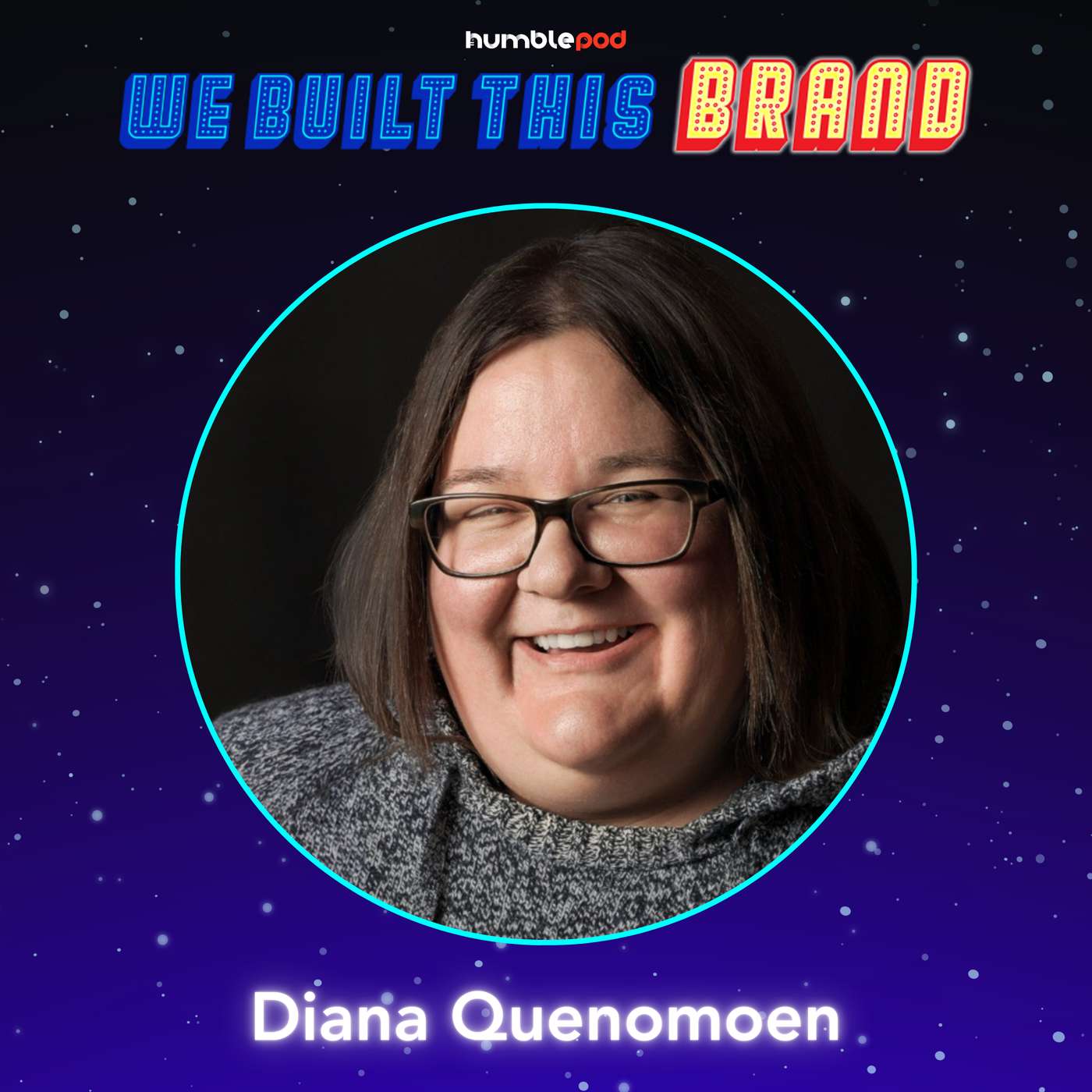



What does it take to reinvent a 100-year-old brand? In this episode or We Built This Brand, Diana “DQ” Quinmoen, Head of Design at Colle McVoy, shares how her team helped La-Z-Boy rediscover its soul and transform from a furniture brand into a full sensory experience. From brand scent and store experience to AI-powered activations and the “ah-place” philosophy, this conversation explores how modern brands must think beyond campaigns and build systems that connect emotionally at every touchpoint.
Show Highlights:
(01:17) DQ Origin Story
(05:18) Trust and La-Z-Boy Kickoff
(09:00) Finding the Ah Place
(18:37) AI Powered Recliner Stunt
(19:14) Rebrand Pushback Fears
(20:58) Campaign Results Metrics
(22:42) Lessons Relationships Research
(24:31) Future Branding Systems AI
(27:21) Authenticity In AI Era
(29:44) AI Media Case Studies
(30:48) Brands Beyond Products
(33:52) Where To Connect
(34:26) Final Podcast Wrap
Start a podcast with HumblePod!
https://www.humblepod.com/our-services/
Sign up for our newsletter!
Diana: The world has shifted. Brands are demanding more and more today than they were yesterday. It's not about the campaign anymore. It's, it is, it's, but it's, and, and so it's about every experience of the brand.
Chris: Welcome to, we Built this brand where we pull back the curtain on the people, the ideas, and the sometimes challenging process of building something that matters.
Today I'm joined by Diane Quin, Moen, or DQ for short. The head of design at Cole Mc Voy a creative agency based outta Minneapolis, Minnesota. Now, DQ has been passionate about design and marketing for about as long as she can remember, and her work on the La-Z-Boy rebrand really speaks to that lifelong passion.
In this episode, we're going to dive deep into that campaign and what it took to help bring a century old company back into the spotlight and to update their identity from the colors, to the fonts, to the decline and even the smells. Yes, really the smells. We're talking about it all in today's episode.
So without further ado, here's my conversation with DQ of Cole Mcy.
All right. Well, dq, welcome to, we Built This Brand. It's great to have you on the podcast today.
Diana: Ah, thanks for having me.
Chris: Absolutely. Typically, how I like to get these interviews started is just by getting to know you a little bit. So would love to know a little bit about your background and how you made your way to Cole Mc Foy.
Diana: Whew. It's a long journey, but I like to say it simply in simple terms of like, how, what sparked me to want to do this. I was like a little nerd as a little as a kid, and, and I remember like, I loved making people feel something, like making them get excited about an event. And so I like birthday parties. I had to do my own invites.
I had to dress. The table, like what was the experience? How were people feeling when they were with me? Do they wanna stay even longer? Like, that was like the test, right? Like, you know, if the party ends at five but it's still seven and now they're looking to spend the night like a sleepover party. I was like, mission accomplished and I didn't know what the hell or how the hell that would transform in the real world.
But eventually started learning about design and. You know what I think really excited me once I, you know, went to school for it. I went to the College of Visual Arts, our RIP in St. Paul Great School, and took an internship at a place called Olson, which was grand in its heyday, realized it's not just about aesthetics.
It's really also about the experience, right? And how brands behave and how we, you know, involve people into the interactions and, and what are those outcomes for them and how do we keep them coming back. And I was like, this is just like the party, this is just like Dqs birthday party at like five years old.
Like we're just building experiences that. Make people feel welcome and, and wanna come back for more. So it kept me excited. I, I was really interested in just the branding aspect of things, but wound up in advertising and traditional comms, which was unique and a little confusing for me at first. But when I realized that.
It can become kind of a special ingredient for the traditional means of advertising that a design formula and thinking can provide, I think something really unexpected to those ways of operating. I got excited, so I went over to Kcvo and started up with a team building out a really niche design offering there that's really taken off and I think Ben.
Our secret ingredient. And so we're building and shaping that daily and it's grown into some really great things and I think some of our most recent work is a testament to that, that thinking. So yeah, hopefully that was kind of the short answer. I could talk for days about it 'cause I love it that much, but that's really how it started.
Make people feel something.
Chris: That is so cool. I mean, it is always interesting how like our childhood roots kind of play into our future careers, or at least we hope they do, right? Like not everybody gets that opportunity
Diana: or recognize. Right. Like how that could translate into a way of living. And I was lucky enough to like somehow recognize it and many people shaped that recognition, but I got lucky.
Chris: Yeah. Yeah. Very, very fortunate in that regard. It's always really fascinating. I have two young kids at home and my daughter is very much in this phase of. Oh, we're gonna play this. And she just comes up with like all the little details and all the little things that she wants to do and how she wants me to like be in her world.
And I feel like that's probably a sign she'll end up that day, that way one day too, maybe. But that's awesome. So with Col Mc, voy, you've, you've, you've been there for, for how long now?
Diana: A long time. Traditionally, I think anyone in advertising, it's like three year stints. Right. And you never seem to retire in the industry.
But I've been able to stay, uh, for about 10 years there and hoping for more. And it's just enabled me to, I think, grow. They've trusted me. They've let me fail, and they're good people. They have a rule of no assholes, and they stick to it.
Chris: Hey, that's, that's important I think.
Diana: Yeah. It's really important,
Chris: especially in the creative space, like it's so easy to want to just shut down ideas or go a certain direction.
Diana: You gotta have the space, you gotta enable it. So I feel very lucky that I've been in a place where I could grow and evolve and have that space. So I'm thankful.
Chris: As you've done work at Cole Mc Voy, I know one of the things I was excited to talk to you about today is the La-Z-Boy campaign and everything that happened there, how that got started.
Like you said, you have a rule of no assholes. I think that leans itself to being another way of saying like, we, we value the customer too, because there's a lot you could be like, oh, I'm a know-it-all and I'm gonna come in and be the expert and you know, shove out your marketing team. Push out this, these years of tradition and all this stuff that your company has to bring our vision for what you should be.
So how did that get started? How did that relationship get started?
Diana: Relationships. I love that you bring that up. I, it's honestly one of my key themes to success and internally, like you just heard, my love for the space that I work in and the people I work with, it matters just as much. Externally, right.
The clients that we decide to take on. And from their point of view too, like I hope that obviously they saw the relationship first and, and I think I've heard, I mean, not think I've heard directly from them, you know, that our collaboration seemed to spark right away. Like we trusted one another. We enjoyed one another's presence, but more importantly, I think felt comfortable with each other.
Which was key, right? And so it enabled me to push them when they wanted to be pushed, and, and it allowed for them to come directly to me and not wait for big meetings and big ta-da to do ta-da, right? Like, no, like, they would just call me and be like, I'm, I'm questioning this. I'm a little nervous, or, you know, whatever it might've been.
And we talked through it. We talked through it together and, and that builds trust. And I think without any of those conversations, had they not been had, we would not have gotten to the place we did together. I say together because it really was a combined effort. It wasn't just me coming to them and proclaiming where we should go.
It really was all of us manifesting it together and believing. Together, so it was a great ride.
Chris: What was the problem when you got started on the campaign? What did they say that sparked this rebrand?
Diana: They came to us. A hundred years is coming up. It's a big milestone for them and for any brand to last as long as they have is, is massive.
And they started reflecting on just culture and where people are at today and how does that reflect in their brand ethos and what they stand for. Right? And realizing that, you know, comfort is a big force right now. People need it more than ever, I think. Right? And they're seeking for those moments of respite.
And what's funny is La-Z-Boy was like, we offer comfort and, and then some people are like, no, I think you've actually lost sight. I think you've lost your soul and really that north star that you thought you had and originally had, right, of like being that beacon of comfort. They fell into like cliches, right?
Of like style over comfort category, conventions. You look at their market itself and their brand experience and it just felt very sterile. They lost really the soul, right? And so they came to us looking for it again, right? Help us unearth what I think mattered most to our brand and what was always been embedded.
You know, in everything we make, say and do. From the beginning, we just lost touch of it. Like help us dust that off. And so we did that and it came to life through, of course, identity and logo, but also brand experience. How does the brand move? How does it operate? How do people interact with it? Throughout, you know, every channel, you know, within their ecosystem.
And not just external comms, but even internal, it became like a rally cry for their own employees, which was really exciting. So we helped them move forward and I think find themselves, that's pretty cool. It's pretty cool. And I think we're, we're really successful. It's, it's showing proof, you know, in the numbers already, so we're excited.
Chris: That's really cool coming up on a hundred years. I mean, that's a big landmark for any business. That's massive. And so I guess take me through like how this redesign kind of came to be in terms of like the, the creative elements of it. 'cause it in, in a lot of ways it's a throwback to the original logo and some of the original branding, but it feels, it still feels a little fresh, it still feels new.
It doesn't feel like you just copy paste it from the original back to the news. So kind of take me through the thinking of that.
Diana: I'm glad you noticed that 'cause that was a big part of this. Right? And and it goes to a little bit of like the briefing, what you just asked me of like, what did they come to you for?
And, and as I had mentioned, it was dusting off what was originally there. That was, I think, really beneficial to their brand and that was comfort. We came up with brand positioning, obviously, you know, enhanced their brand purpose, looked at their values, you know, the traditional methods of looking at the core of a brand and came up with a persona that often is usually a person.
We thought, well, Lazboy iss not a person. It's a place. It's a sense of place. And we came up with this notion of. The ah place, you know, like when you sit down, it's like, ah. It was like, and it became our North star for everything that we did, every choice we made in the brand, from the logo mark to the experience, to the expression across their entire ecosystem.
And so ultimately, every choice we made needed to ladder up to that, right? And so. It was vital that like no matter what we crafted, no matter what we created, signified that comfort and do it in a modern way that I could think could be relevant for today. That felt distinct in the category that pushed ourselves outside of what others are doing, but more importantly, revisit some of the elements you had in your past that were working.
And like, how do we channel that? Because there was beauty in their brand in the beginning. That's what I think helped 'em stand up for a hundred years. So we just needed to dust some things off and bring it back and I think reshape it for today.
Chris: I love that, that comment about the ah place because it it to, to me, when I think a La-Z-Boy, just as a brand without the logo, like I think of.
I, I think of a couch. I think of a chair. You know, I mean, there was a lazboy dealership near my house for ages. I'm, I'm used to seeing that brand places and that, you know, when I hear someone has a lazy boy, like I know it's gonna be a comfortable chair. It's something you wanna sit in, it's something you want to be comfortable in.
Diana: It felt very sensorial to us, which is what we wanted. How can the brand have all these like tentacles that make you feel something and not just expect it in the physical realm? Like, what does emotional comfort feel like? What does it even smell like? What does it, what does it feel like? Like physical touch and like it became this operating system for us and how we crafted experiences for the brand.
I mean, think digital, like their website was kind of a hot mess. It wasn't easy to choose products and to source, you know, the different aspects of the product. And so. We decided, well, even that experience should feel ah, and calming and easy. So now you can kind of start to see how that, uh, you know, brand, the core, the truth of what they represent.
And that persona reflects itself through everything they do and everything we created. It was pretty match.
Chris: Yeah. And the interesting thing about working with a brand like this is you're not just talking about ads and a brand and maybe, maybe slapping the logo on a few items like this can have its branding like literally embedded in the final product itself.
Diana: Yes. I mean, this became the soul of everything. They make everything they say, everything they do, every action they take. And so write down to product design and, and curation and creation. Write down to even like how their, you know, employees interact with one another with ease and calm and you know, how you're greeted at a store should feel welcoming and calming and easy every moment of their brand.
And that's when you know you got something good. It was a hard sell when I said we had to do, make some bold moves and why their relationship was key. 'cause it mattered because we had to sell them a more, this was more than just a logo. And not that the logo isn't important, but it's one element of a bigger, I think, initiative that we knew we could help them solve.
Right? And so. I love that it became everything for their brand.
Chris: Yeah. That's what you really want out of a, a good brand is for it to carry through to everything that you create, everything that you're doing, everything that you're saying. If it doesn't, then you've, you've failed, I think, in some way to really communicate a good brand.
The, the creative elements here, obviously the color palette, very relaxing. I like, I personally like the color palette a lot. It very much is my sensibilities as a millennial male. The, the color palette, the font, like, take me through like how you, how you kind of like decided on that. Was that just gut instinct research?
Like how did that come.
Diana: It was a few things. I think traditionally aesthetics can become subjective. What one person says is comforting is maybe not to another. And so to back that up, we do a lot of research on the backend, right? We do excavating, as I call it. We do dig far and wide into the brand's heritage and history and what elements such as type and color can maybe still resonate today.
What other brands are doing, you know, to ensure that we're carving out something that feels distinct and ownable and so that helps us lead to. If you will, like a bucket that not only does those things, but like now what's the calming elements within that kind of silo that we've defined, right? And so from there, it's gotta do those things.
It's gotta feel modern, it's gotta feel ownable and distinct. And maybe there's a, a connection to the brand or the brand's history. And that I think really points us into a, an area that makes sense, like it or not, right? Ensures that it exudes those moments of calm. And so we hit on it. And I love that you said that, like as a masculine male, I love it.
That's intentional too, of like, we gotta breach. You know, I think historically La-Z-Boy was often seen as like a masculine old, you know, grandpa's chair kind of thing, and like. Which is fair and like, and there's those moments still matter in the brand and it still exists, but like, how can we expand that and do and create a palette that felt, I think, a little bit more conscientious of both male and feminine moments.
And so just finding something that bridges that and is inclusive was really important for us too. So
Chris: I think bridging the past and, and trying to keep things modern is always one of the keys with a longstanding brand, you gotta, you gotta have those elements of. We're still around, we still exist. I mean, to be honest, I don't like the old logo
Diana: and you know, I think it did maybe at the moment, but it did what they wanted.
It doesn't mean it was what was right, but when we looked at it, when we looked at the logo and we looked at the color and you think of calm, it didn't do any of those things for us, right? It was. Corporate blue, which felt cold and sterile. The logo was sharp and hard-edged, and again, kind of corporate-y, not distinct.
The job really kind of was easy, right? Like the only, you could only go up. But we wanted to do intentionally and, and very thoughtfully. So,
Chris: because that, that logo just feels like one of the quintessential like early two thousands logos, like
Diana: there very much was. Yeah,
Chris: very much in that vein of like just that sharp styling and just like a commercial, like we're, we're going for the big box stores.
Diana: Lack the soul though, you know, so we brought it back.
Chris: I'm glad you did. So, so what are some ways that you brought back the soul and brought back some, maybe some interesting activations or engagements to this project?
Diana: Oh, we did some, we've done some really great work. Hopefully I don't trip it up because I, I was in and out of.
Some of these moments, but I have enough to be dangerous knowledge of it, is we really celebrated earned activations early on and it enabled us to create some tees, right, to tee up this new brand work. And so we are kind of already starting to embed in culture. This notion of comfort is coming back to Lazboy.
And so we created this. It was, well, there's a few things, but I'll hit on the decline. So yes, a name in itself. And we all are aware of the iconic recliner that La-Z-Boy is notoriously known for. Well, we thought, Hey, like let's give moments to people. Let's celebrate this notion of in culture at the moment, it was very kind of big of what was once FOMO now became jomo, the joy of missing out.
Like people are like, can I just like Netflix binge tonight and get a pizza? I don't wanna go out to those plans I originally signed up for. I just don't wanna do it. I wanna hug my dog, you know, I wanna have a good time at home. So we created the recliner. So it was an AI activated, uh, you could literally, it, what it would do is it would send, you could use your phone, and when you recline in the chair, it would send actual messages, responses to your friends or whom it may you desire that provides these automated declined messages that were kind of just funny.
It built character into the brand too. Lazboy is like. We try not to take ourselves too seriously too at the same time, you know, like there's kind of a quirk to us and a funness. And so it hit on like all those nodes and it became a little teaser of like, we celebrate comfort and it is acceptable to be comfortable and to decline chaos in life and just rest.
So it was a cool moment and that was, I think one great, I think additional opportunity, and if you will call it activation that enabled us. To, I think, spark the soul of the brand that we were going for beyond just identity, but through like experience.
Chris: That's really neat. So, so was that like an app? It could go get on the app store right now,
Diana: in the moment it was, you know, and, and, and it was a kind of a moment in time and to celebrate this new branding initiatives and, and so forth.
But yeah, it was pretty.
Chris: Yeah, I love activations like that where you get, you know, people going, what the heck is this?
Diana: Yeah, it had that, it had that beat. That in itself draws attention, you know, it like earns attention of just like, what is going on here? Can I get that chair? And we delivered some to people too, like whoever submitted the best messages, we, we provided them with a lazyboy as well, so it was like a bonus, right?
Who doesn't want that? So yeah, it was kind of a, a win-win for a lot, a lot of folks, including obviously the brand.
Chris: Yeah, I feel like I missed out on that campaign. Now I'm, I'm very sad to, sad to have missed it, but that's, that's cool. That's also a way I think that was using ai. Is that, is that
Diana: correct?
Yeah. We used AI and a lot of other techie things that my brain can't comprehend so much, but hey, the end result was pretty fantastic. So.
Chris: Yeah. So like as, as you created this change, did you run up against any pushback or any, anybody being resistant to the change? Because they're like, we've had this last logo since 20 Yes.
You know, 2003 and
Diana: it was the logo out of all the things, you know, 'cause it's, it, it's everywhere and it takes a lot of money as we know, a lot of dollar bills. To put that logo on exterior signage and every bit of furniture. And in a time right now where like, brands have launched and it didn't always go so well.
You know, think Crate and Barrel recent, Jaguar, like, they had a lot of pushback. People missed like the, the original they had, you know, uh, an emotional at attachment to it. And so it was top of mind of like, how do we ensure that when we launch this logo, we are doing it right. It is the right move. We still con continue with the people that are loyal to us and love our brand, but bring in net new.
So it was nerve wracking. That's again why the relationship was so powerful. Like we talked through it together, found solutions together. It worked out eons enabling us to, I think, feel confident in launching it and putting it out there in the world. So we'll see. So far so good.
Chris: That's good. I mean, the, the good thing is you weren't doing anything that was like.
At least by most people's broad perception would not be considered political. And I think like things like Cracker Barrel,
Diana: it's a global brand too, you know? And so like how does that, every little detail that we did work culturally across, across the globe, and so. Everything was just, like I said, very intentional and thoughtful and a little nerve wracking, but you're not doing something right if you're not scared.
I mean, that's, uh, what everyone says and, and I believe it.
Chris: So as, as we, as we look at this, what have been some things, like what have been the results of this campaign so far?
Diana: Want to launch a podcast without the hassle? Humble pod makes podcasting easy from concept to launch.
Chris: We'll help you create a professional engaging show, already have a podcast.
We handle editing, show notes, transcriptions, and even video production so you can focus on your content. With our tailored services, you get high quality production, seamless publishing, and expert support at every step, whether you're starting fresh or leveling up. Humble Pod ensures your podcast sounds amazing and reaches the right audience.
Visit humble pod.com to get started today.
Diana: I wish I had the numbers in front of me, Chris. But I do know that stock shares have gone up, which is great. That's always a good indicator of a successful brand, gotten more people in stores, right? And so I think that's the biggest, that's, that was number one success metrics for us of like, how do we ensure we don't lose fans and we gain more.
And so the more people that we could get, the more foot traffic we could get while it was offline or online. In store or digitally, we knew that we were doing something good and, and we did. And so the numbers are up, which to me is the number one success. Uh, that's all we can ask for, to continue that brand loyalty, not lose that loyalty.
So win-win, we did. And we're still doing,
Chris: that's always a good, good result when you've got things going the right way and people are happy.
Diana: It worked. It worked. I'm like, huh, ah, look at that. See, the odd place is still living with me. It worked. Ah,
Chris: well, that's great. So what, what have you personally learned through this project?
What would you say? This was the takeaway for me. This is something that I know I'll, I'll always carry with me as a result of this campaign.
Diana: Look at this. We keep going back to relationships. That was the greatest learning for me was how important it is to have that backbone when doing something so risky, so new.
And for a brand that has such history was like, how do I ensure that we're holding hands, we're doing it together, we're doing the dance, you know, and, and you need a party to do that. And so. I know it seems like I'm on a, a repeat, but I think that was the biggest learning.
Chris: No, I, I would agree. I mean, personal relationships are really key.
Even in my own business right now, I'm finding that like I chose to go to New York City and visit some clients and, and even try to make inroads with new relationships with people at a conference. And like every time I go, I'm reminded, oh yeah, this is why I get out and meet people. Because if I didn't, people wouldn't know who we are and I wouldn't have that trust because they don't know me.
They just know me online.
Diana: Amen. Absolutely. I mean, that's what it's all about. Like, just like that interaction. And also, you know, and this may seem like a cliche response, but it's just another reinforcement of it, of like, do your research, do some digging. Uh, you know, we, we went to the corporate headquarters.
We went through many different retail spaces. We talked to people, we read the books. You know, LAZBOYs got a book. Which is great. That's when you know you're iconic, right? We sat in the furniture, we experimented with it and like you really have to embed yourself in where they've been, to know where you're going.
You know, I think everyone says that and it's true. And we did that and we do that every time. And so I think it just reinforces because we did. So I think to an extreme this time reinforces I think the benefit of that it paid off, uh, tremendously.
Chris: As we talk about the future, as we, as we look towards the future now, kind of stepping away from just the La-Z-Boy campaign and maybe maybe bringing in some of your experience from having worked on that, you know, what is top of mind as you look at the future, as you've, as you've been through this project.
I know some AI was used and technology was used, but what do you kind see as like the future of branding and kind of where we're at right now?
Diana: I love that question. It's something I'm like really digging into right now. The world has shifted. Brands are demanding more and more today than they were yesterday.
It's not about the campaign anymore. It's it is. It's, but it's, and, and so it's about every experience of the brand and what is that system behind it? What is that operating system that enables brands to show up in all these new spaces in places? Back in the day, it was the broadcast spot. The digital didn't exist, social didn't exist, and maybe you ran a few print pieces.
But now it's, it's, it shows up in retail, it shows up online, it shows up in social, it shows up with influencers, earned activations like the decliner and it's everywhere. And if these tentacles are just moving around and if you don't have a system in the background that enables these experiences. To show up consistently on brand and distinctly all these Lees distinctly, uniquely, consistently.
If you don't have that, you're just gonna eventually become fragmented. You're gonna lose the brand trust. People are not gonna recognize you in all these moments. You know, and so it just becomes vital to give, if you will, that playbook right, like that in inside the Intel inside, as they always say. One of my coworkers always says that, right?
Like, that enables the brands. It, it makes it easy. I know what to do in these moments. I know how the brand needs to behave, I know how it needs to act. And design is really that thinking behind it that ensures we're, you know, we're governing it. To ensure that things show up accurately. And so I think brand and design is becoming more and more important in just marketing in general than it ever has before, to ensure that as this world becomes more chaotic, there's a system to it.
And I think La-Z-Boy is a prime example of that, right? And as I always mentioned, it became more than a logo. It became how is this brand showing up through every unique lens and how people interact with it and every different space in place. Well, we created that system, right? We didn't just create a logo, we created the system.
We, we talked about how the brand needs to feel, how it even needs to sound. We even came up with a secret, uh, not a secret, uh, a branded scent. For when people walk into the spaces, like how should it smell bonkers? How does the logo move? How do we animate elements? You know, what does our photography look like?
How do our products show up? So yeah, design, design, design, lead by design is my motto for this year. So thank you for that question. Yeah. I'm really passionate about If you couldn't tell.
Chris: Yeah, no, that's, that's really neat. And I, I think you bring up a good point too, because like. As I look at like what's going on in AI right now, everybody's like, how do we know if something's real or not?
And when it comes to a brand, it really comes down to their branding. It's their
Diana: digital comes down to the soul. What is the heart inside?
Chris: Exactly.
Diana: I love ai. First of all. I am, I'm all for it. But I think what it needs most still is that that. That humanity, that attention to detail design does so well at that, right?
Like design provides the soul to the tech behind AI and all the more reason to lead by design today than ever before. So. It helps us move at quicker speeds, which I love. My DHD needs it in life. You know, it helps me, I think, look down different avenues that maybe I would've never have gotten to at the time.
We usually have and crack unique in different codes. You know, it helps me wear more hats, but at the end of the day, it still needs my, my brain power, but more importantly, my soul and my heart to ensure the brand is intact and crafted intentionally.
Chris: And I mean, I think at the end of the day too, like that's what we find.
What I have found and observed over the last year has been this push and pull between the marketing agencies wanting to push AI because it saves us time and it makes things easier and accelerates things. And then the actual consumer going, we don't want it to look like a, at least we don't want it to think or know it's ai.
They want real
Diana: and they want authentic.
Chris: They want authenticity. Yeah.
Diana: That still takes crafting and a human, the human quality behind it, which is great. I, you know, and we, we need both. And so it's exciting. It's an interesting time. And to see how people, you know, leverage it uniquely, uh, is interesting.
Always still. So only the future will tell
Chris: do, yeah. We, we will find out in a year or so where we're at. It's a fascinating topic for sure.
Diana: So I could talk about that for days. Yeah. We'll have to get a beer and, because I could go on and on, but it's exciting. I'm excited about the tools. And, and you know what's funny too is like, I think get to places.
That I wouldn't have gotten before because of the speed. You know, I can use it so much for research and I get there faster. I can use it for like just spitting out unique different concepts or words or ideas so I can get to something better quicker. That's, to me, is what I think is special and I, I hope people use it because I think we'll start to see something really special and different in the world because of that.
You know, I hope. I hope
Chris: there's fringes of, like, I, I've spent a lot of time paying attention to like, what's happening in the AI media world, so like what's happening with video, what's happening with audio. My benchmark for the last few years has been the Balenciaga videos, the AI Balenciaga videos. I don't know if you've ever seen these.
They did a Harry Potter one that's really famous.
Diana: Yeah, I think I know it. I, I think I'm with you. They, they're literally structuring like small trailers that are in. Insane. Yeah.
Chris: Yeah. They, they look like photo shoots and they're all like buffed up.
Diana: It's got people all buzzed up because they're like, oh my God, is it gonna take all these jobs?
Or is, I don't know.
Chris: But the guy who did like the original viral Balenciaga video three years ago just released a new version of the Harry Potter Balenciaga video, and it's like a movie.
Diana: I know. It's crazy.
Chris: It's insane and it's still not there, but I'll include some links to that for people that wanna see it.
'cause that, that's just a fascinating case study for me. But yeah, it's wild where we're getting to
Diana: changing the world.
Chris: It is, it is. So as far as brands go, I always like to wrap with this question and that is, what brand do you admire the most right now?
Diana: Oh boy. I knew this question was coming and I hate this question purely because I, I, I have so many different.
Loves of so many brands. I don't have one. You know, it's like the the age old question, what's your favorite movie? But you know, what I really get excited about is not necessarily products. You know, you could ask me and I'd be like, oh, of course Nike and Apple and they're all doing great things Target, you know?
But what I really get excited is when people are able to take the philosophy of branding and apply it to like experiences or people. Or, uh, I'm a big sports fan. Like how does that get operationalized into fandom and ex, you know, sports experiences? You know, you think of the likes of like Taylor Swift, talk about a genius brand, you know, like her or not, when you look at every moment and experience of her brand has been thoughtfully curated and crafted right down to like the red lipstick.
You know, and how it connects and symbolizes her red album and it became a whole era and it's bonkers to me and, and right down to stage setting and her shows and how it all kind of becomes, this one collective system is phenomenal. You know, you think of Michael Jackson Love and Rain. I'm like, I'm gonna go there though of like, uh, iconic brand.
Right, like he had an iconic, distinct voice. He had an iconic, distinct way he moved, which was his dancing and his behaviors. Well, those were something to be noted about. He had places that were magical. Never, never land. You know, some might not say magical now, but. I don't know. That's always really interesting to me, like right, like how do you codify yourself as a brand versus like apply it to products, which are just traditional methods.
So you look at, I'm a big Vikings fan, skull Bikes, Minnesota here. You know, if you go to a game. And you sit in that, the stadium, every experience is so thoughtful from, from the moment you enter the plaza, the events and activations that are happening that celebrate the Scandinavian roots, uh, the Vikings, you know, coming over from Norway.
How it applies to some crazy experiences when you're in the stadium. They actually have snow falling to mimic kind of the cold arctic nature of Scandinavia and they got flames and dragons and the videos they make and their social content. It's pretty dope. It's kind of cool it see it come to life. So like I said, I'm, I'm really into, in, into brands that have that I think collective.
Uh, you could call it brand world or whatever you wanna call it, but like every facet of their brand shows up really distinctly and uniquely, and then everything is considered. So
Chris: yeah, that, that attention to detail just always blows me away. Yeah, I, I see it a lot in like the, like I'm big into F1 right now, so like Formula One does a really good job with that kind of attention to detail.
Been really
Diana: recently, they're really kind of taken off, so
Chris: yeah. Awesome. Dq, thank you so much for being on the podcast.
Diana: I'd love to come back someday even been a good time
Chris: open invitation. We'll, we'll make sure it happens. Where can people connect with you? Where can they learn more about Cole McVey?
Diana: Oh, cole mcvey.com.
We have a great social channel with a great team that puts great, funny content on there where you can learn more about us. I can provide you a URL direct link to some of my channels if people wanna learn more, interact with me. But yeah. That's the gist. I'm around and available. I love to talk. I talk. I, I'm a talker.
I'm a chatty Kathy, and I love design, so hit me up.
Chris: I will do. Will do. Alrighty, will do. Keith, thank you for being on the
Diana: podcast. Yeah. Best of luck, bud. This was great. Thanks for having me.
Chris: Thanks for checking out this episode of We Built This Brand. Don't forget to like and subscribe on your player of choice.
You can also keep up with the podcast on we built this brand.com. If you like this episode, please give the podcast a five star review and make sure to tell all your friends about it so we can continue to build this brand.